Project brief
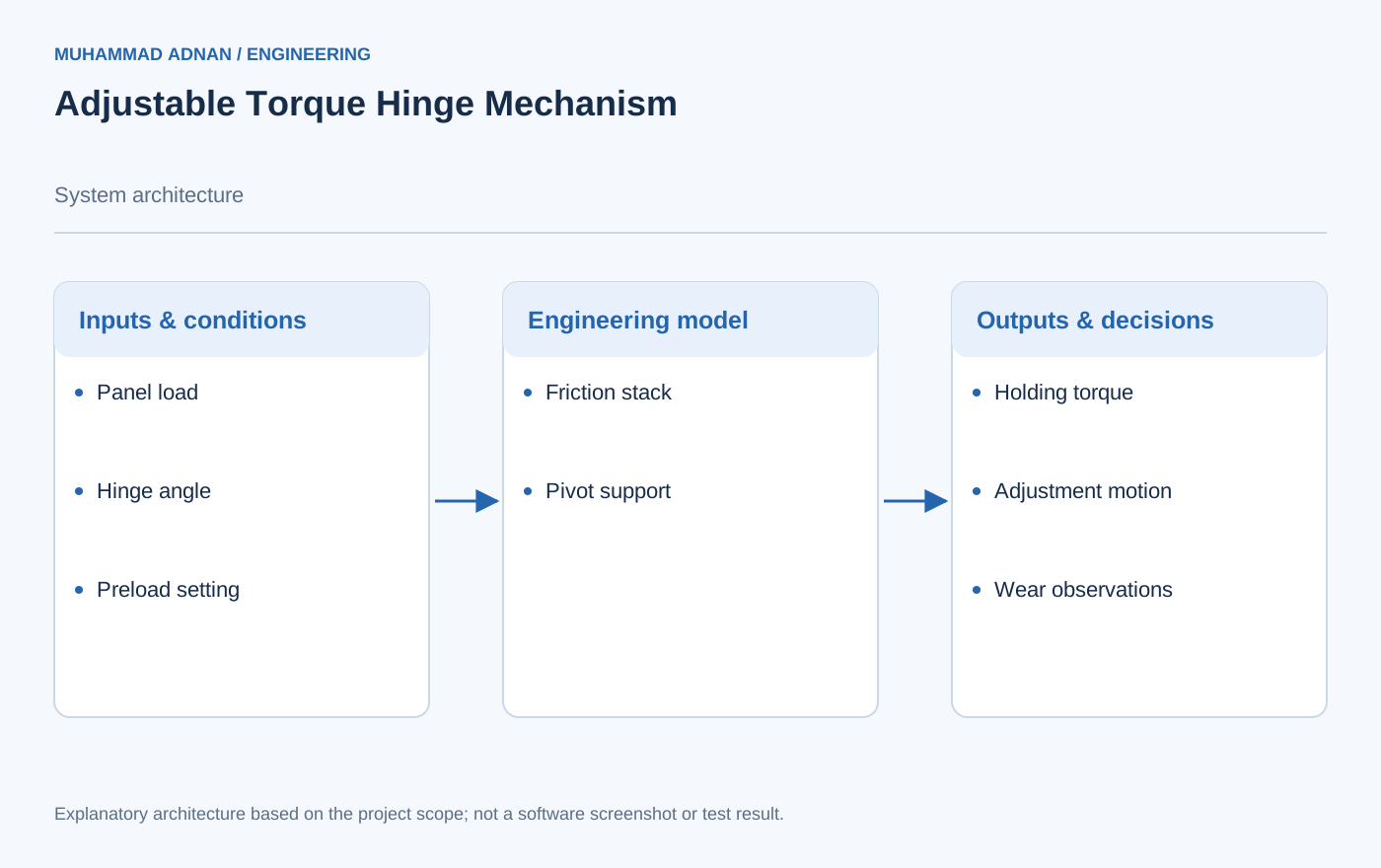
This concept would investigate a friction hinge for a small adjustable display or instrument panel. The goal is to understand how washer geometry, surface pairing, and spring preload influence holding torque and adjustment feel. The assembly would use accessible fasteners and replaceable friction elements so that wear mechanisms can be examined directly. CAD configurations would compare compactness, assembly sequence, and adjustment access, while a simple loading model would relate panel position to the torque demand. The proposed output is a mechanism study with manufacturing drawings and a bench torque-measurement procedure. Torque values would remain design inputs until measured on a prototype, and the exercise would not imply a finished commercial hinge.
Design concept developed for this portfolio. The diagrams describe the proposed system; implementation and testing are part of the validation plan.
The engineering challenge
Provide predictable holding behavior without making assembly, adjustment, or worn-part replacement unnecessarily difficult.
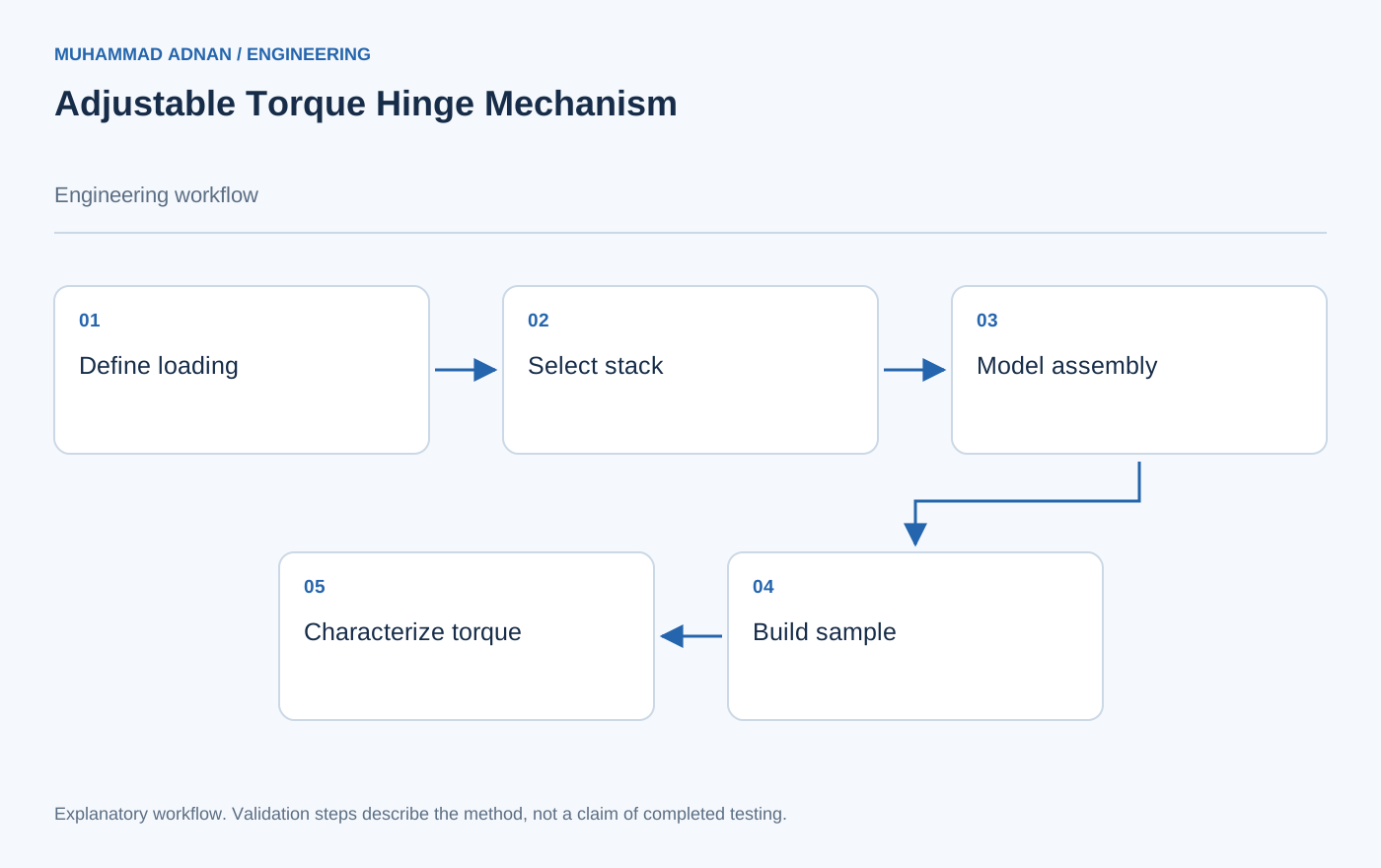
Engineering approach
- Build a load model for the supported panel.
- Compare friction-stack arrangements and spring-preload options.
- Model assembly access and end-stop geometry.
- Define a repeatable torque-versus-angle bench procedure.
Validation plan
- Measure breakaway and running torque at multiple positions.
- Compare repeated assembly settings for reproducibility.
- Inspect friction surfaces after a defined cycle sequence.
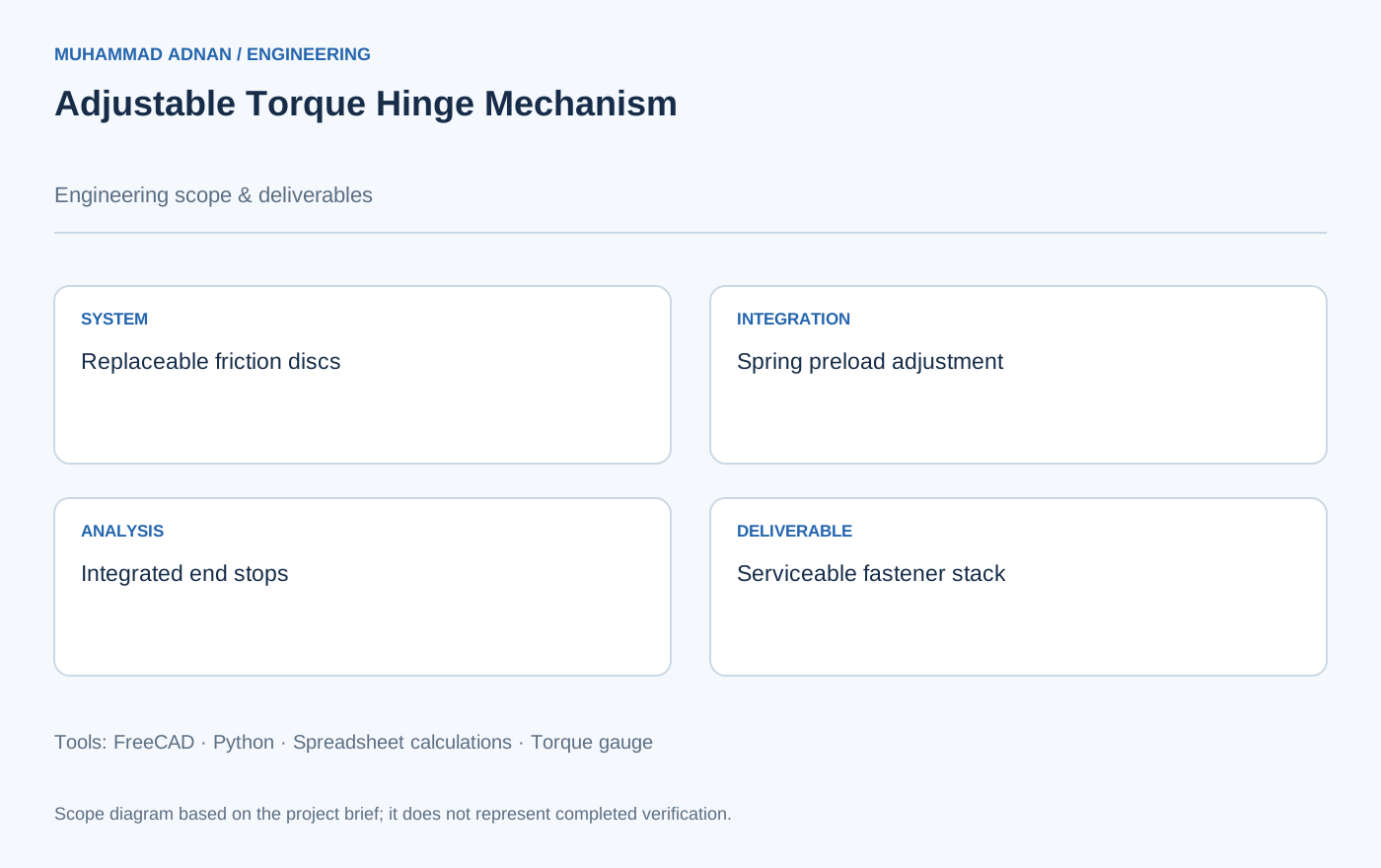
Concept scope
- Replaceable friction discs
- Spring preload adjustment
- Integrated end stops
- Serviceable fastener stack
- Assembly configuration study
Software & engineering tools
FreeCAD, Python, Spreadsheet calculations, Torque gauge