
Project brief
A professional 32-channel battery formation and testing system for lithium-ion cell characterization. Each channel operates independently at 0–5V with ±20A charge/discharge capability. The system performs automated formation cycling, capacity measurement, electrochemical impedance spectroscopy (EIS) from 1mHz to 100kHz, and accelerated aging tests per IEC 62660 and UN 38.3 standards.
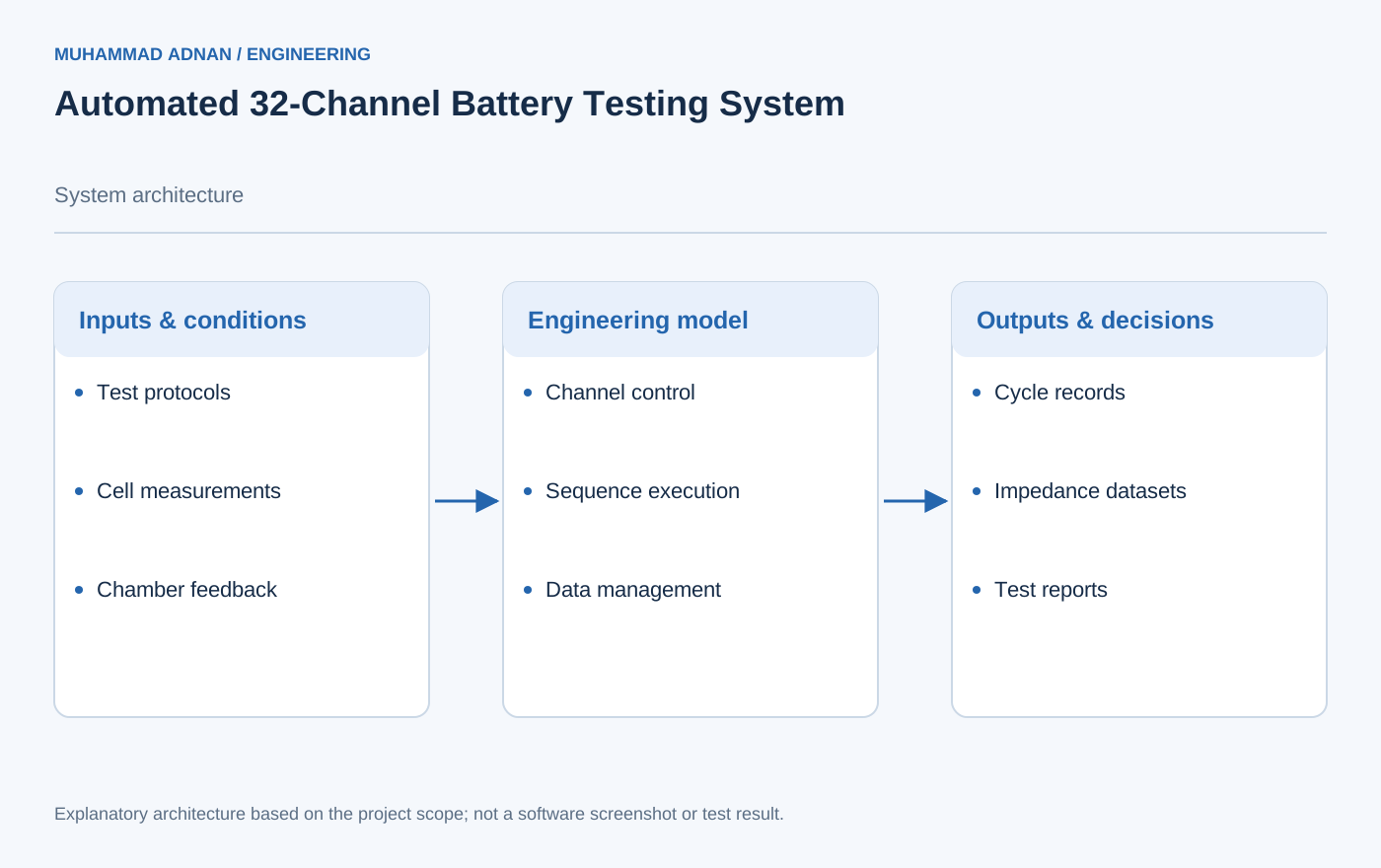
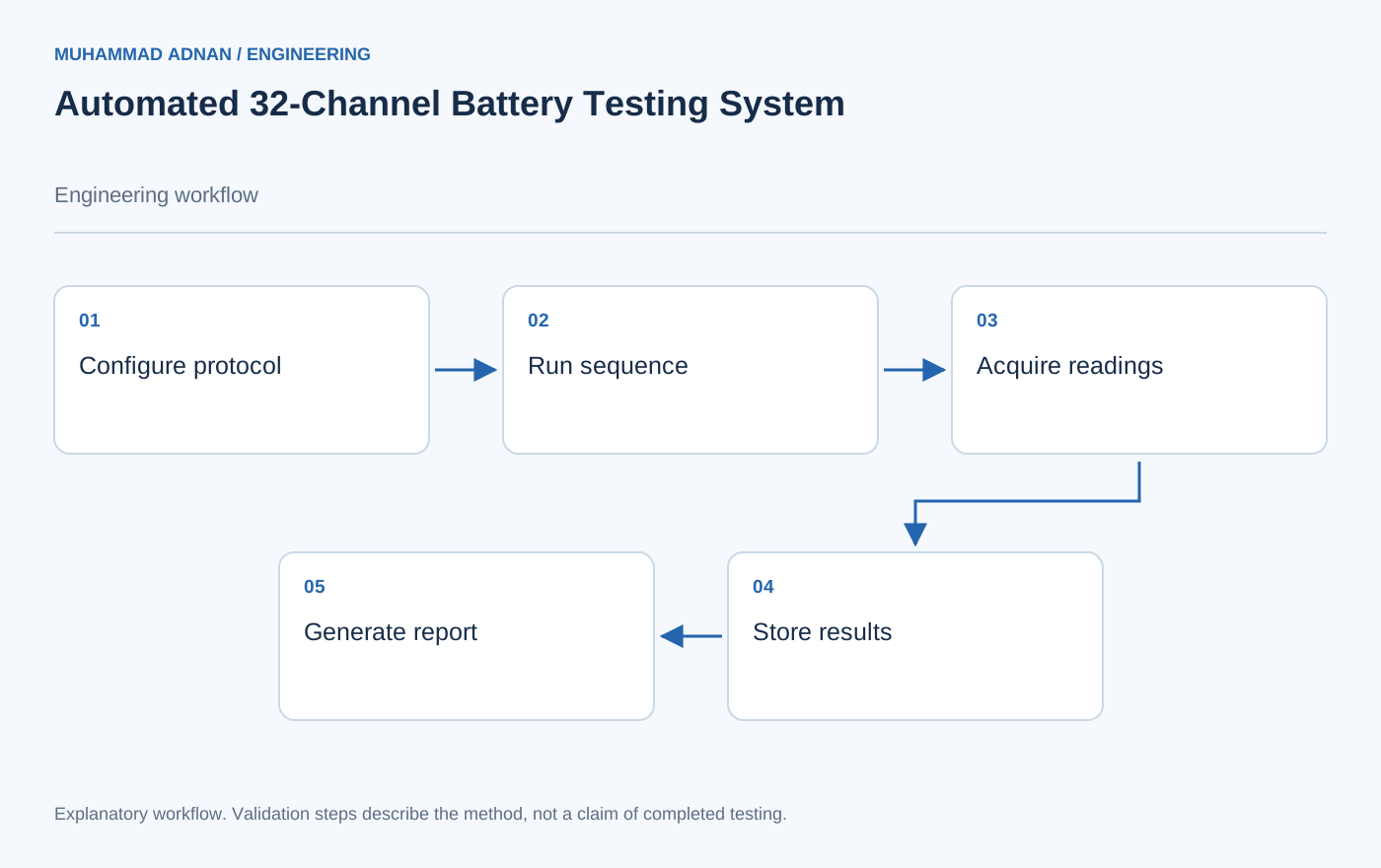
The described deliverable combines test electronics with automation and data handling. The architecture represents a test-management workflow rather than evidence that a particular test passed.
The engineering challenge
Run independent cell test sequences while keeping measurements, environmental context, and records associated.
Engineering approach
- Structure each test channel around programmable charge/discharge control.
- Bind protocol execution to voltage, current, and temperature acquisition.
- Use the stated Python, database, and report interfaces for reproducible test review.
Features & capabilities
- 32 independent channels: 0–5V cell voltage, ±20A, 0.01% accuracy
- EIS: frequency sweep 1mHz–100kHz, Nyquist/Bode plot generation
- Temperature-controlled test environment interface (±0.1°C stability)
- Automated IEC 62660-1 cell test protocol library
- UN 38.3 transport safety test automation (nail penetration, overcharge)
- Python API for custom test script development and pandas data analysis
- PostgreSQL database with automatic test report generation (PDF)
- REST API for remote monitoring and test queue management
Software & engineering tools
FPGA (Xilinx Artix-7), precision DACs/ADCs (24-bit), isolated measurement, Python 3.11, FastAPI, PostgreSQL