Project brief
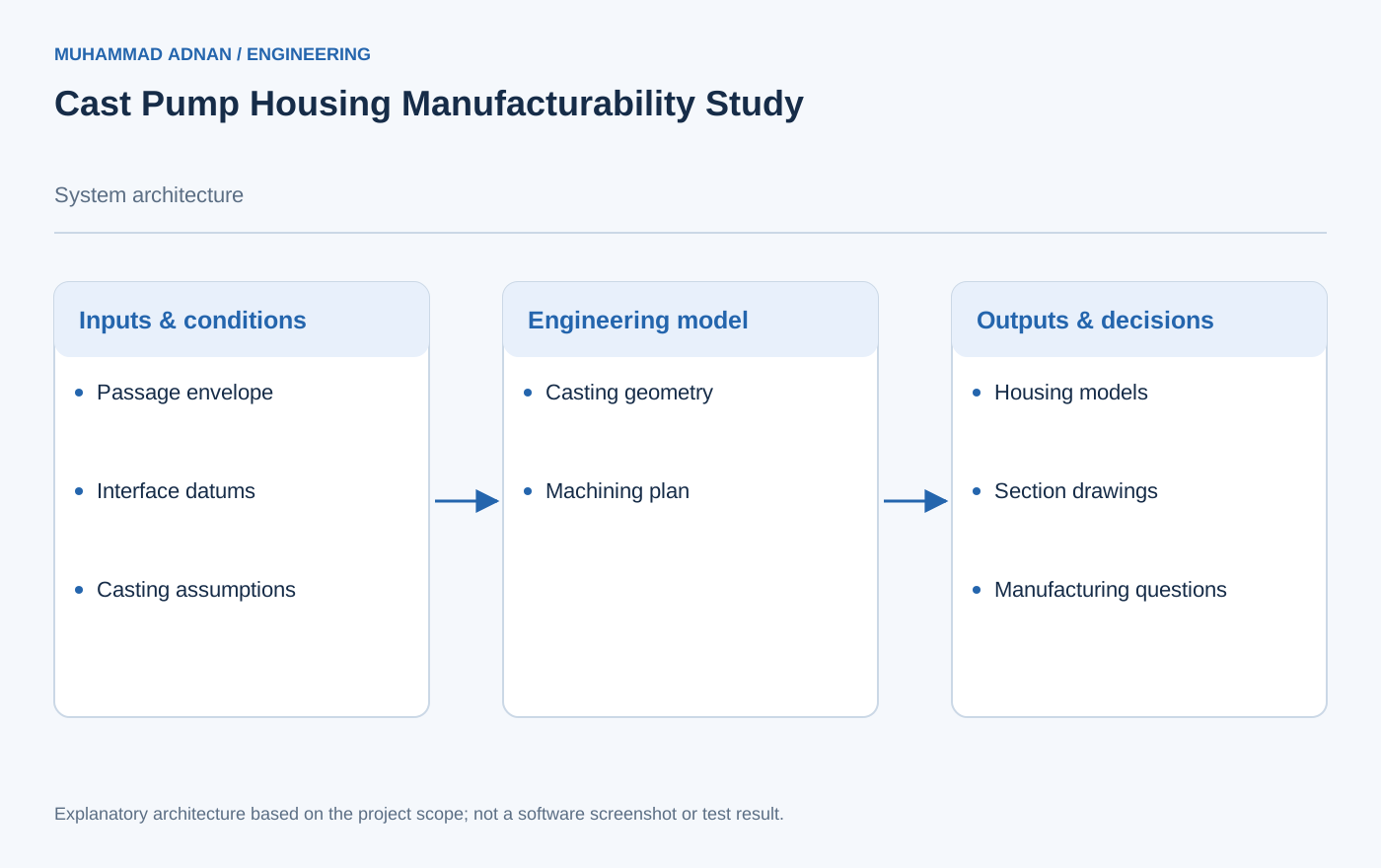
This concept would explore how a small pump housing changes when its design is developed for casting followed by machining. A simplified hydraulic envelope would define the internal passage, while the engineering exercise would focus on the manufacturable enclosure around it. Variants would compare parting-line placement, draft, fillet transitions, wall consistency, core access, and the relationship between cast surfaces and machined datums. Section views would explain the sealing and bearing interfaces without asserting hydraulic performance. Proposed deliverables include a cast-state model, a machined-state model, a drawing set, and questions for a foundry review. Shrinkage allowances and process limits would be recorded as assumptions until confirmed for a chosen material and casting route.
Design concept developed for this portfolio. The diagrams describe the proposed system; implementation and testing are part of the validation plan.
The engineering challenge
Develop a housing that can be cast, machined, assembled, and inspected without hidden access conflicts.
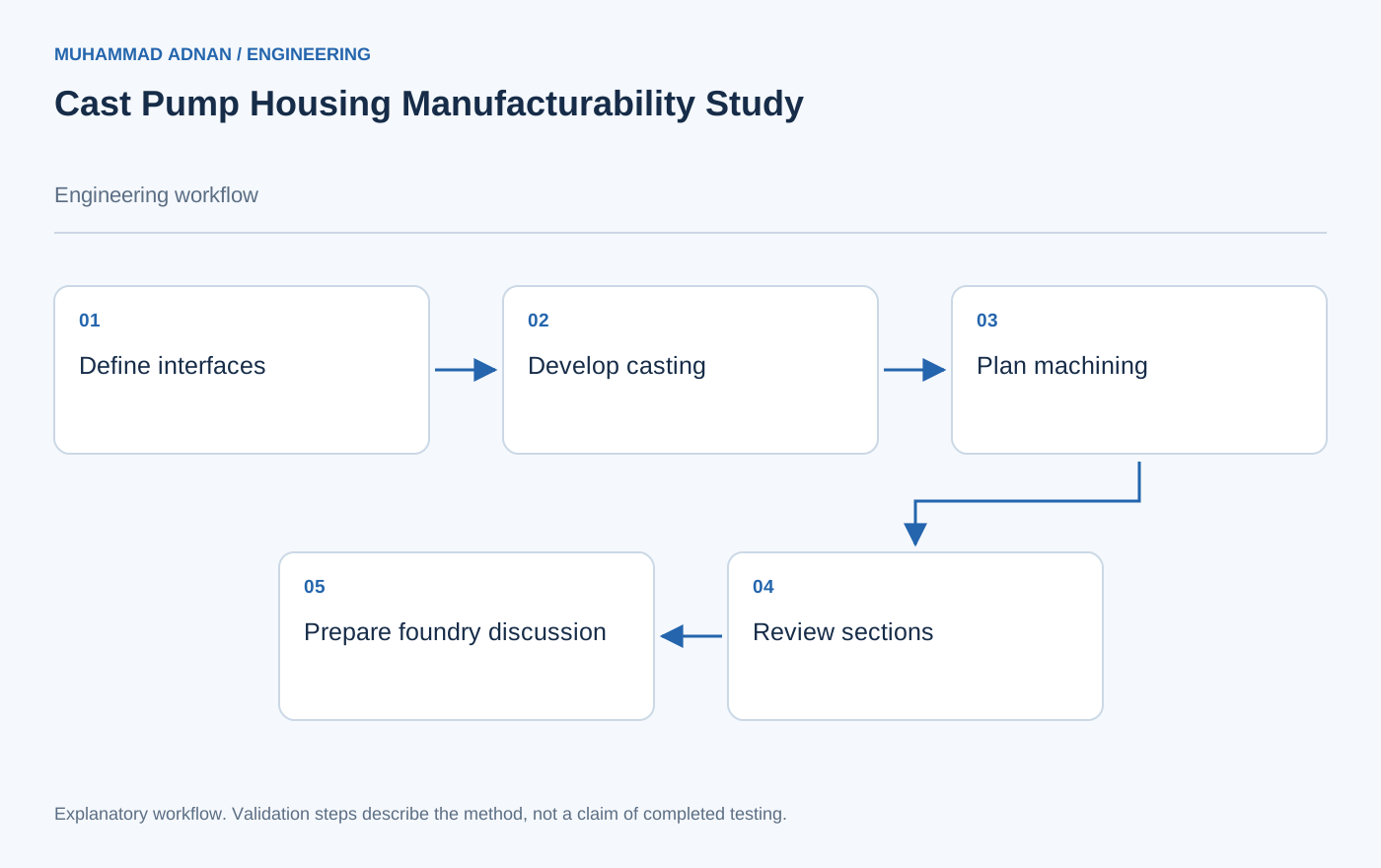
Engineering approach
- Define the functional passage and interface envelopes.
- Compare parting lines and core-access strategies.
- Separate cast surfaces from machining datums and stock.
- Prepare sections and a manufacturing review checklist.
Validation plan
- Review draft and tool accessibility on all proposed features.
- Check machining stock and datum transfer in section views.
- Obtain process-specific feedback before assigning production tolerances.
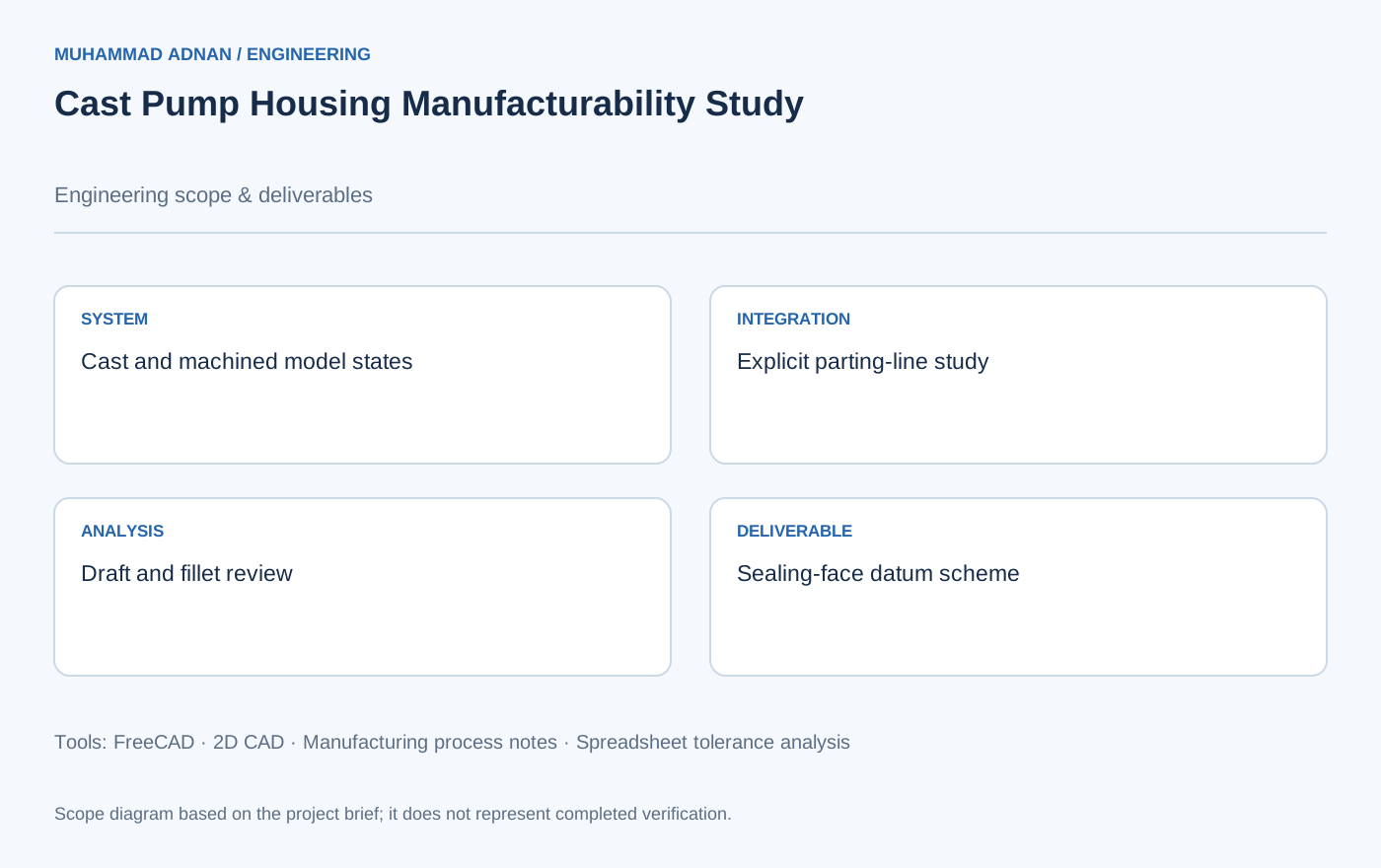
Concept scope
- Cast and machined model states
- Explicit parting-line study
- Draft and fillet review
- Sealing-face datum scheme
- Core-access sections
Software & engineering tools
FreeCAD, 2D CAD, Manufacturing process notes, Spreadsheet tolerance analysis