Project brief
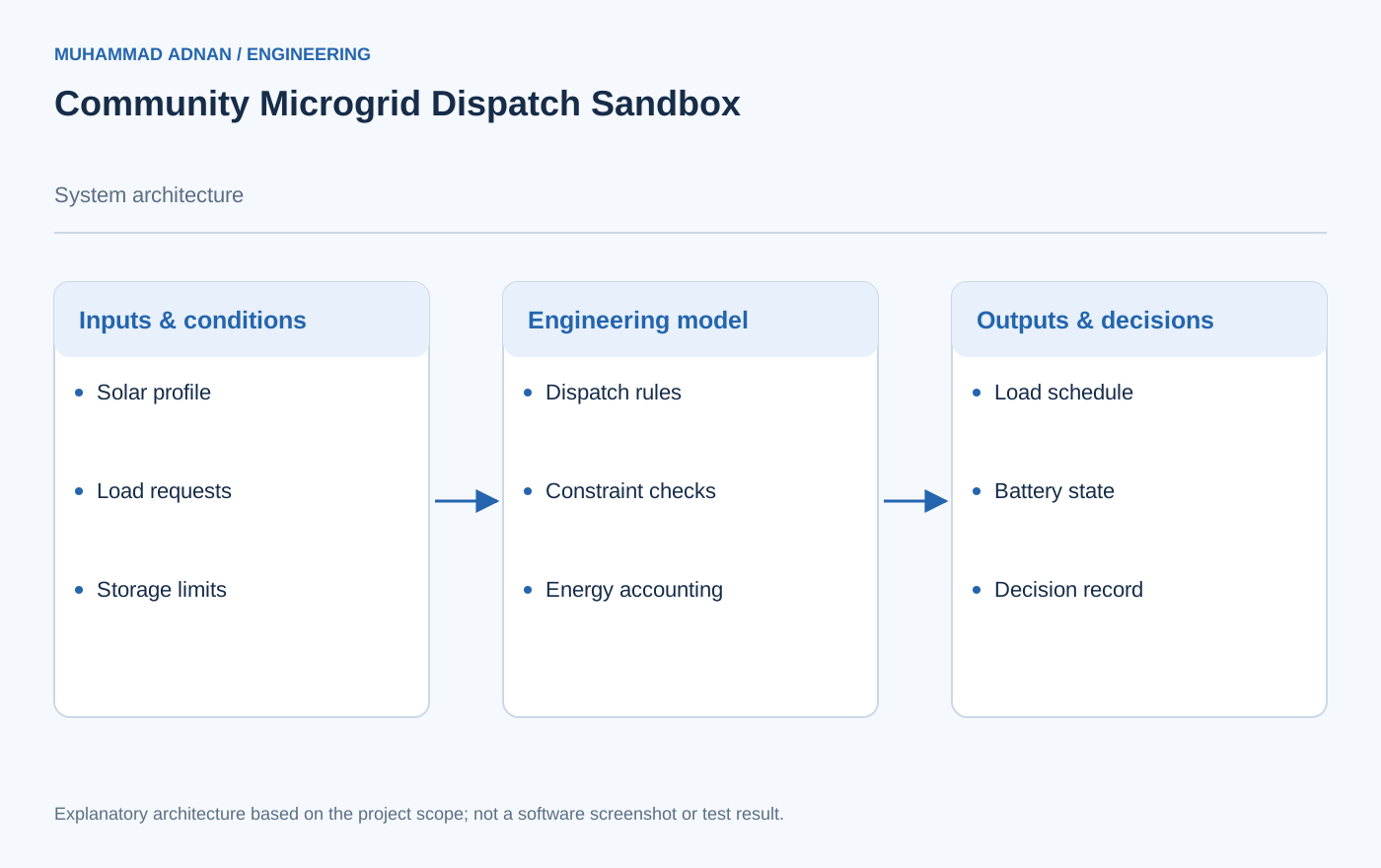
This proposed sandbox would compare dispatch strategies for a small illustrative community microgrid. The model would include photovoltaic generation, battery energy limits, fixed demand, and a small set of deferrable loads. The interface would show which request is served, deferred, or unmet, together with the rule that produced the decision. A simple rule-based strategy would establish a readable baseline before optimization is considered. All demonstration profiles and tariff assumptions would be explicitly illustrative. Proposed deliverables include a dispatch model, scenario editor, and event log that supports review of tradeoffs. The concept would remain a planning and teaching exercise rather than a real grid controller, a claim of savings, or advice to operate electrical infrastructure.
Design concept developed for this portfolio. The diagrams describe the proposed system; implementation and testing are part of the validation plan.
The engineering challenge
Compare dispatch choices without hiding storage constraints, unmet demand, or assumptions inside an opaque objective.
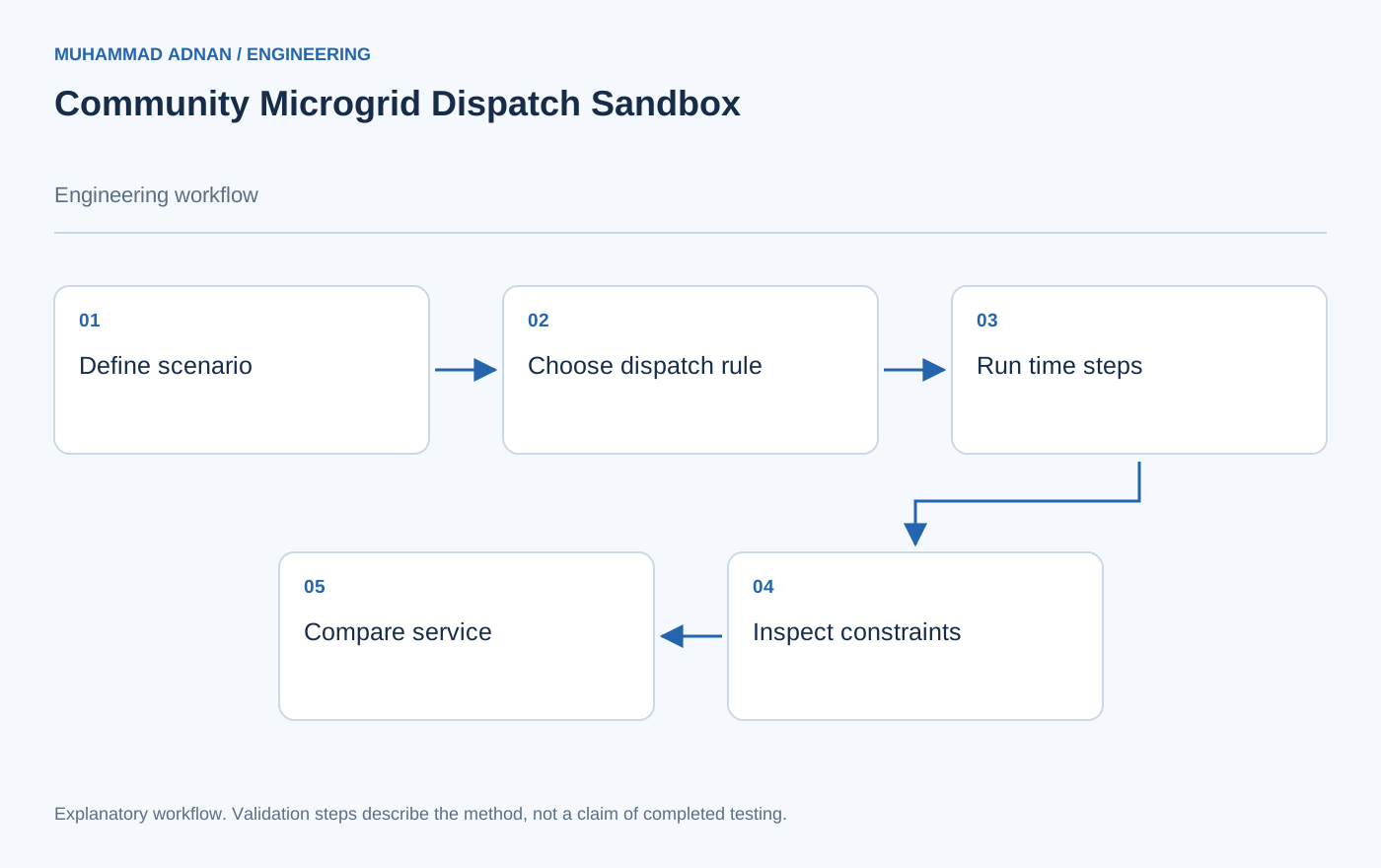
Engineering approach
- Define a shared energy and load-state model.
- Implement transparent baseline dispatch rules.
- Add flexible-load windows and explicit unmet demand.
- Compare scenarios using consistent illustrative profiles.
Validation plan
- Check supply-demand balance at every step.
- Test empty-storage and no-generation cases.
- Verify deferrable loads stay within their stated service windows.
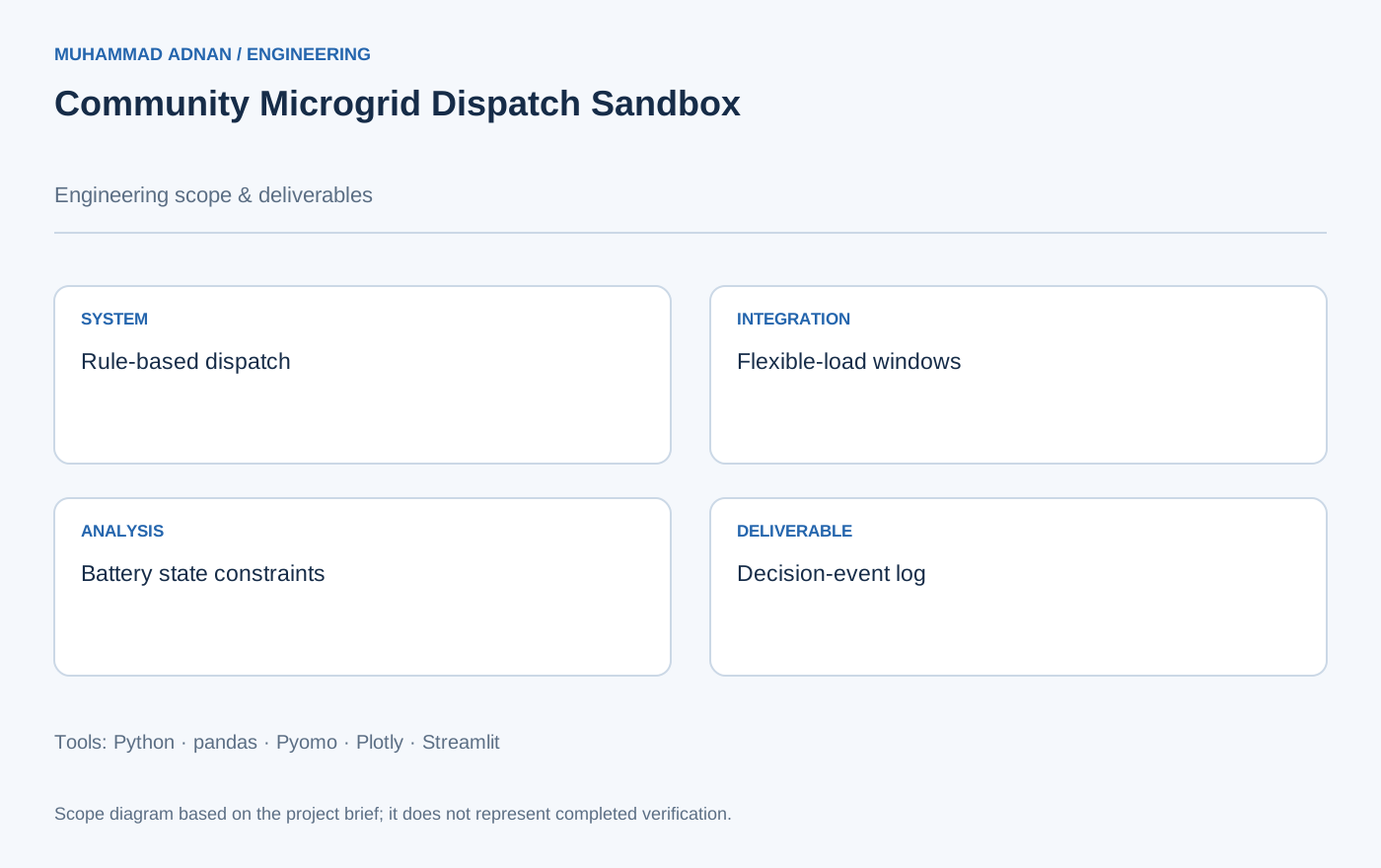
Concept scope
- Rule-based dispatch
- Flexible-load windows
- Battery state constraints
- Decision-event log
- Scenario comparison
Software & engineering tools
Python, pandas, Pyomo, Plotly, Streamlit