Project brief
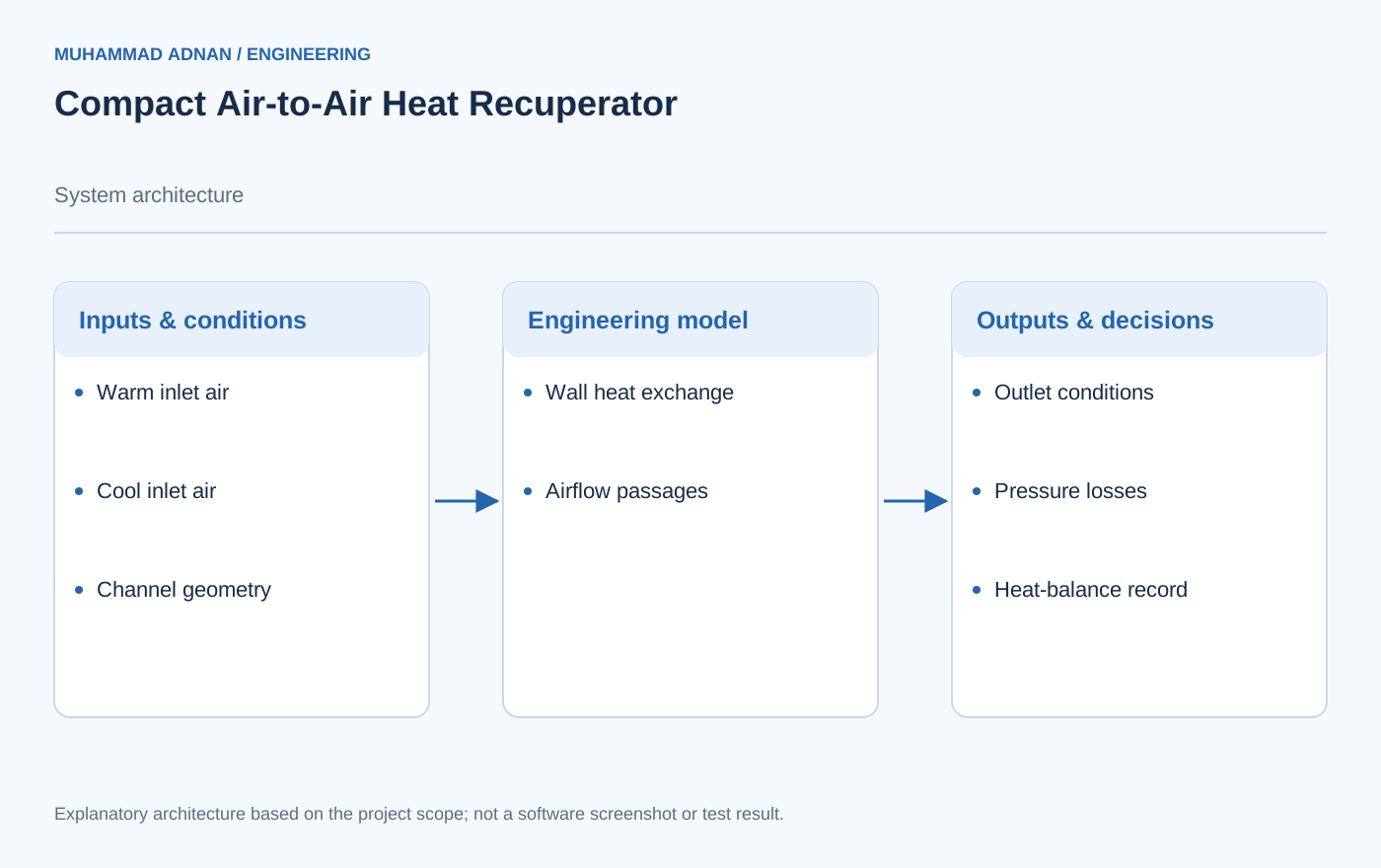
This concept would develop a small air-to-air recuperator architecture for a ventilation teaching or prototyping rig. It would compare counterflow and crossflow arrangements using explicit inlet conditions and flow-rate assumptions. The design study would connect heat-transfer calculations with channel manufacturability, sealing between air streams, condensate handling, and cleaning access. A simple thermal model would establish the variables that a later CFD study should examine, avoiding a detailed model before the operating assumptions are settled. Proposed deliverables include a channel-stack CAD assembly, a parametric calculation workbook, and an instrumented bench plan. Heat recovery, leakage, and pressure drop would be measured separately if built; no efficiency or indoor-air-quality outcome is asserted by the concept.
Design concept developed for this portfolio. The diagrams describe the proposed system; implementation and testing are part of the validation plan.
The engineering challenge
Exchange sensible heat while controlling stream leakage, pressure loss, and access for cleaning.
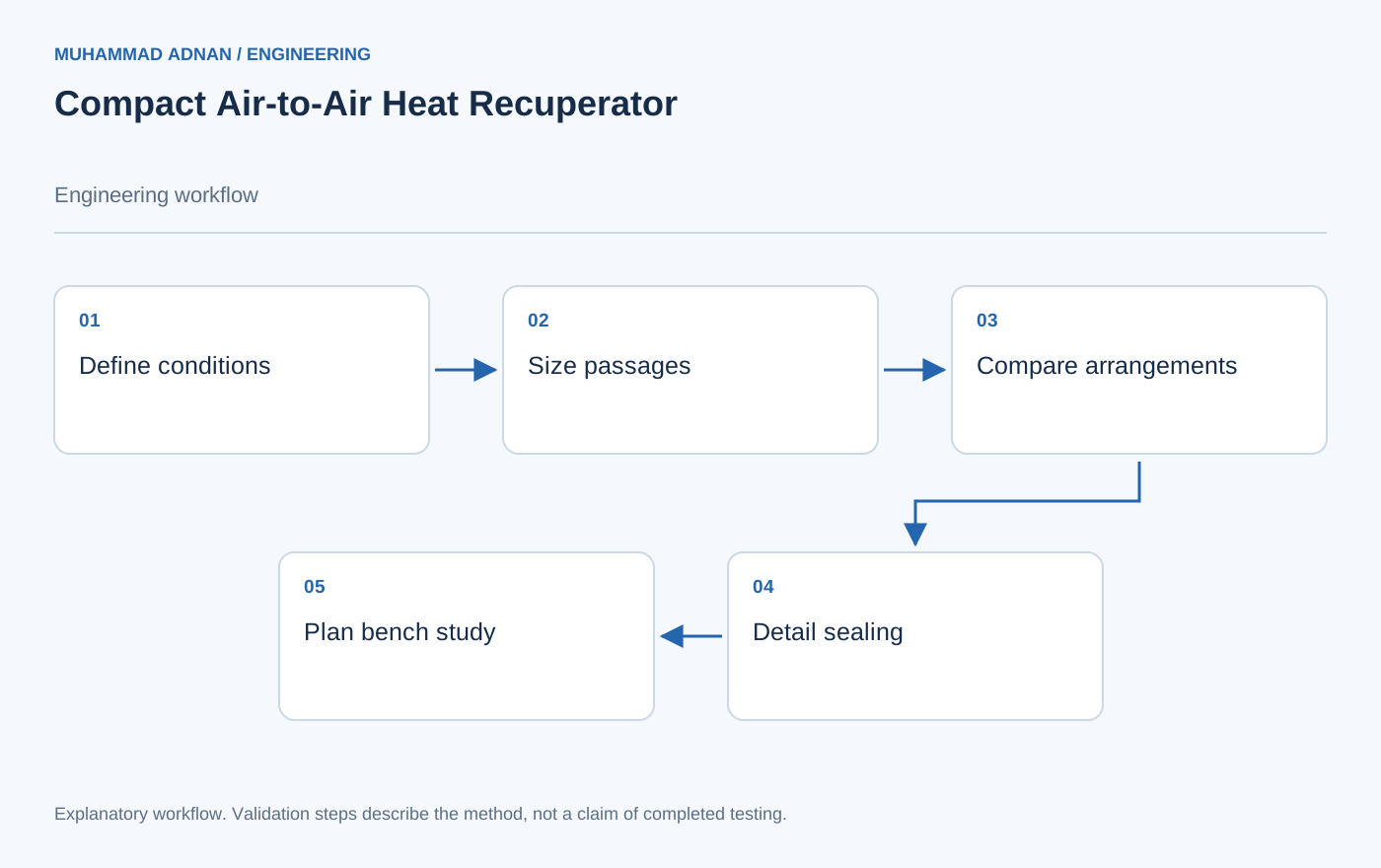
Engineering approach
- Define inlet conditions and balanced-flow cases.
- Compare channel and flow-arrangement options.
- Review stream separation and condensate paths.
- Plan independent heat-balance and leakage checks.
Validation plan
- Check conservation of energy across both air streams.
- Measure leakage separately from thermal effectiveness.
- Compare pressure-drop trends across selected flow settings.
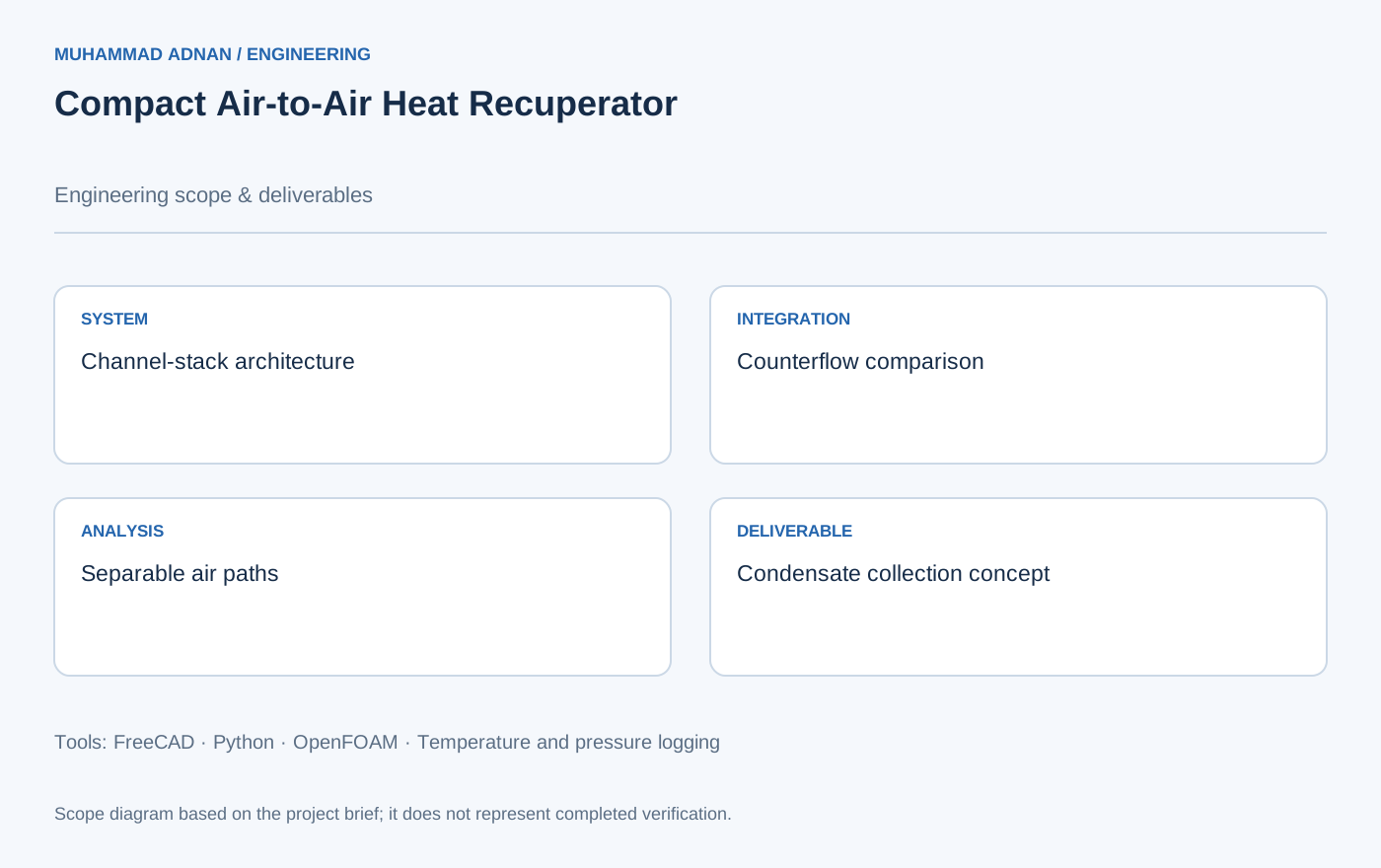
Concept scope
- Channel-stack architecture
- Counterflow comparison
- Separable air paths
- Condensate collection concept
- Removable inspection panels
Software & engineering tools
FreeCAD, Python, OpenFOAM, Temperature and pressure logging