Project brief
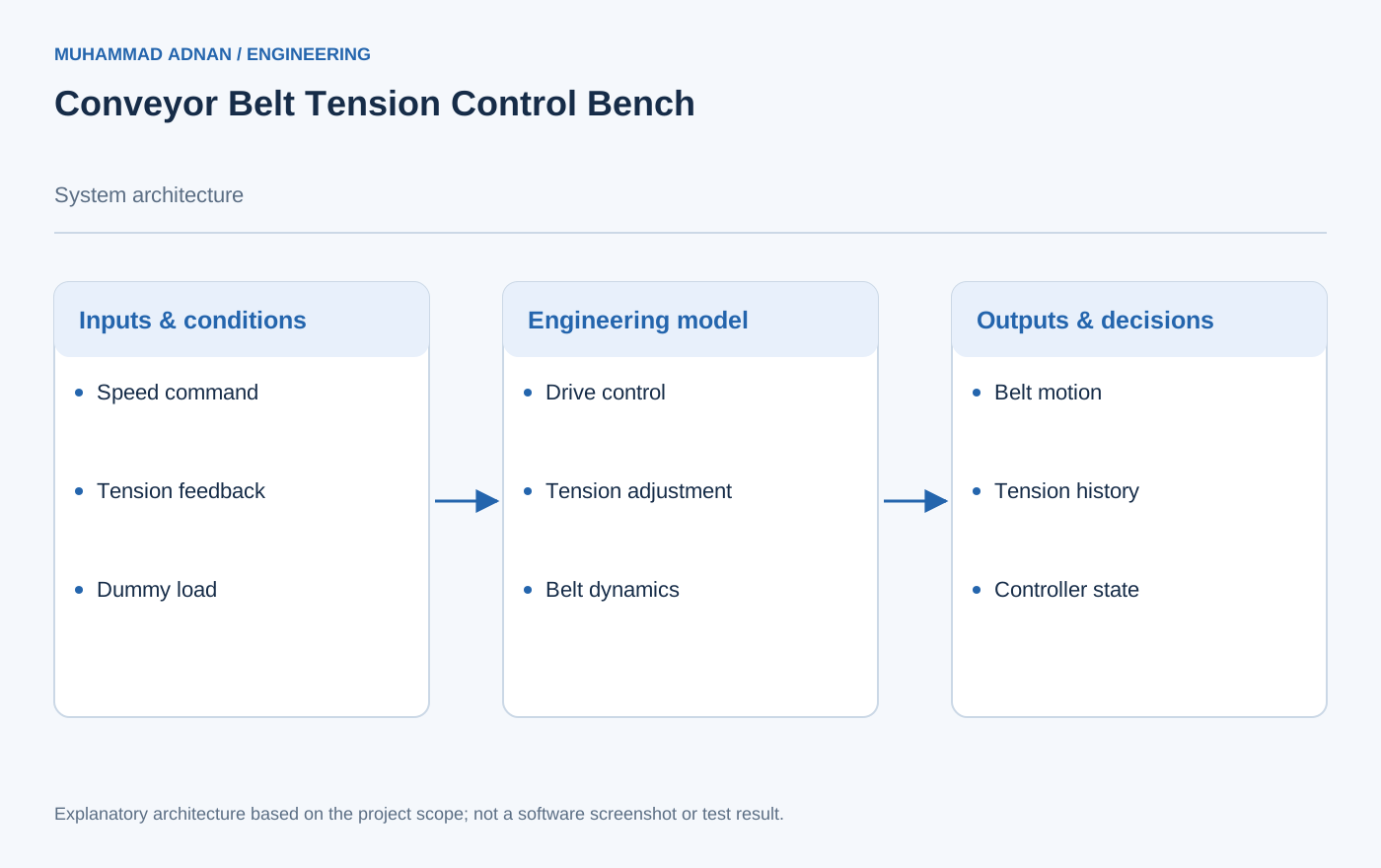
This proposed bench would examine tension management in a small conveyor driven by an electric motor. A spring-loaded or actuated idler would provide measurable tension adjustment, while speed and load observations would support a simple control model. The study would focus on startup, light load changes, and tracking behavior using benign dummy items. CAD would include guarded pinch regions, accessible adjustment points, and a modular sensor bracket. Controller development would begin in simulation before an instrumented mechanical prototype is built. Proposed deliverables include the conveyor layout, dynamic assumptions, and a comparison plan for passive and feedback-assisted tensioning. The concept would not claim industrial throughput, belt life, or validated machinery safety.
Design concept developed for this portfolio. The diagrams describe the proposed system; implementation and testing are part of the validation plan.
The engineering challenge
Keep tension useful during transients without introducing oscillation, excess bearing load, or difficult adjustment.
Engineering approach
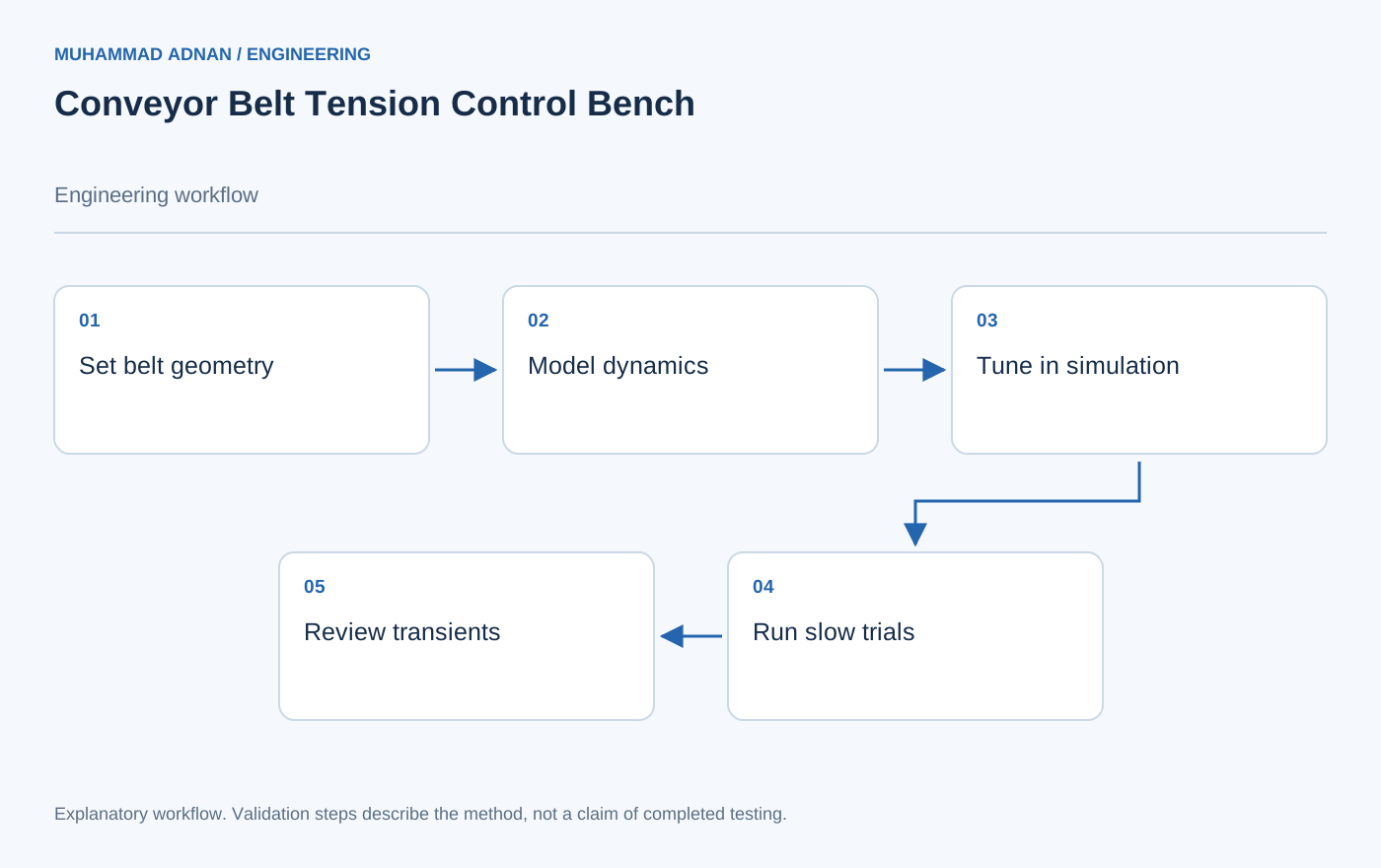
- Model belt, drive, and idler behavior at a simple level.
- Compare passive and actuated tensioner layouts.
- Design speed and tension measurement interfaces.
- Plan low-speed startup and dummy-load trials.
Validation plan
- Compare static tension measurement with a reference load.
- Inspect startup responses at conservative settings.
- Check sensitivity to small alignment changes and dummy loads.
Concept scope
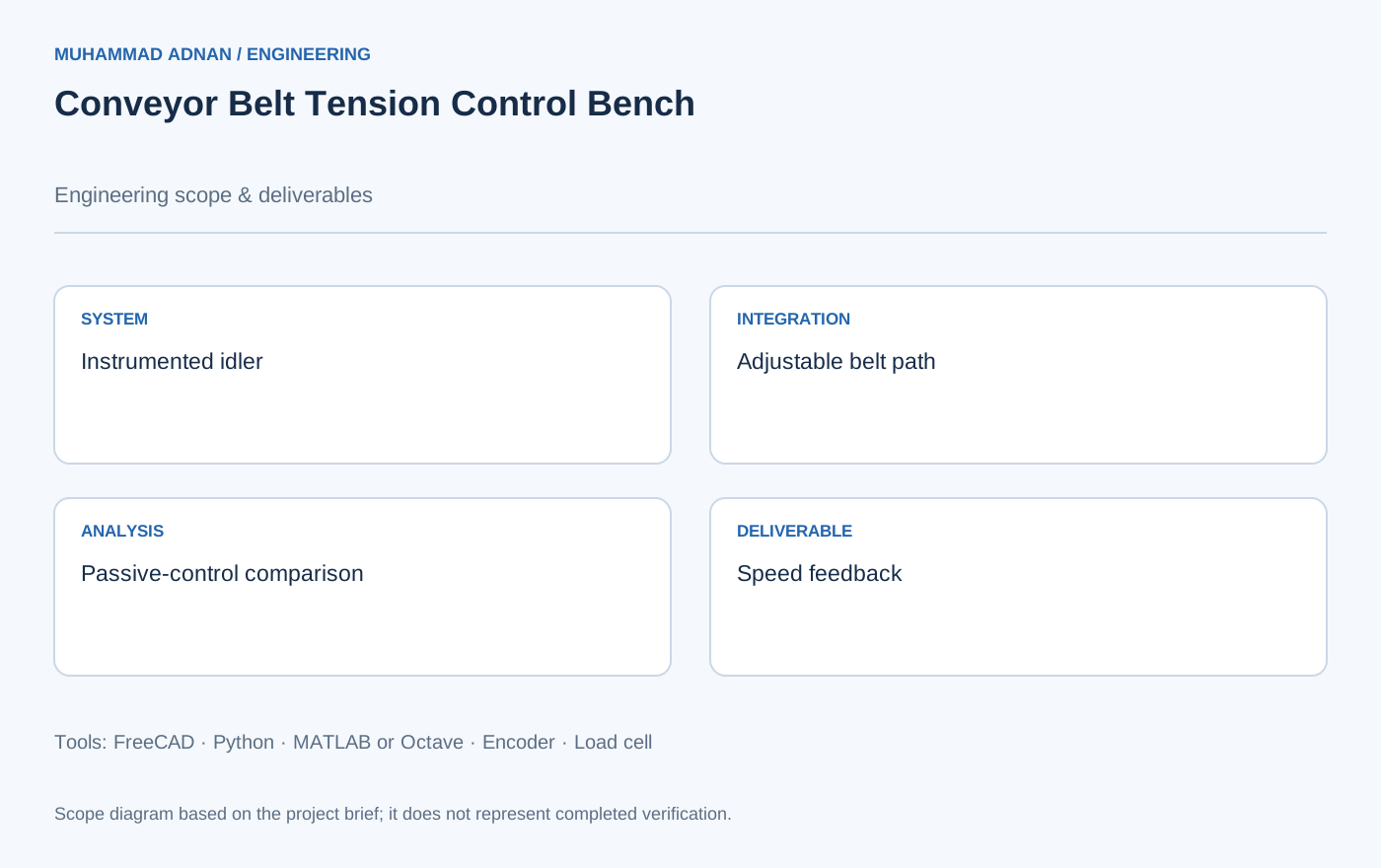
- Instrumented idler
- Adjustable belt path
- Passive-control comparison
- Speed feedback
- Transient-event logging
Software & engineering tools
FreeCAD, Python, MATLAB or Octave, Encoder, Load cell