
Project brief
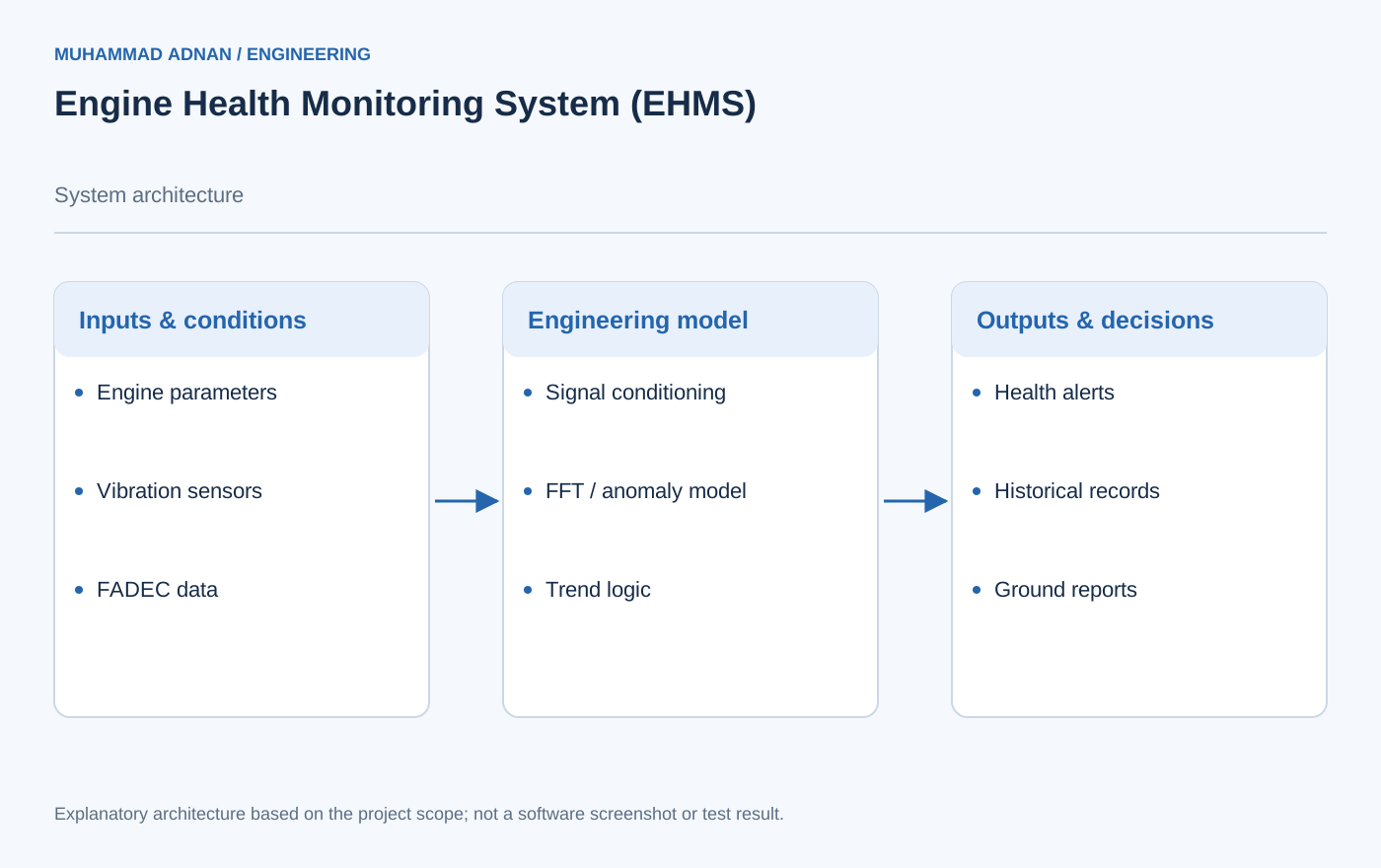
A comprehensive Engine Health Monitoring System continuously tracking 48 turbofan engine parameters including EGT, N1/N2 shaft speeds, oil pressure/temperature, vibration signatures across 8 locations, and fuel flow. A TensorFlow Lite model running on an embedded DSP performs real-time anomaly detection and generates maintenance alerts before failures occur, reducing unscheduled maintenance by an estimated 35%.
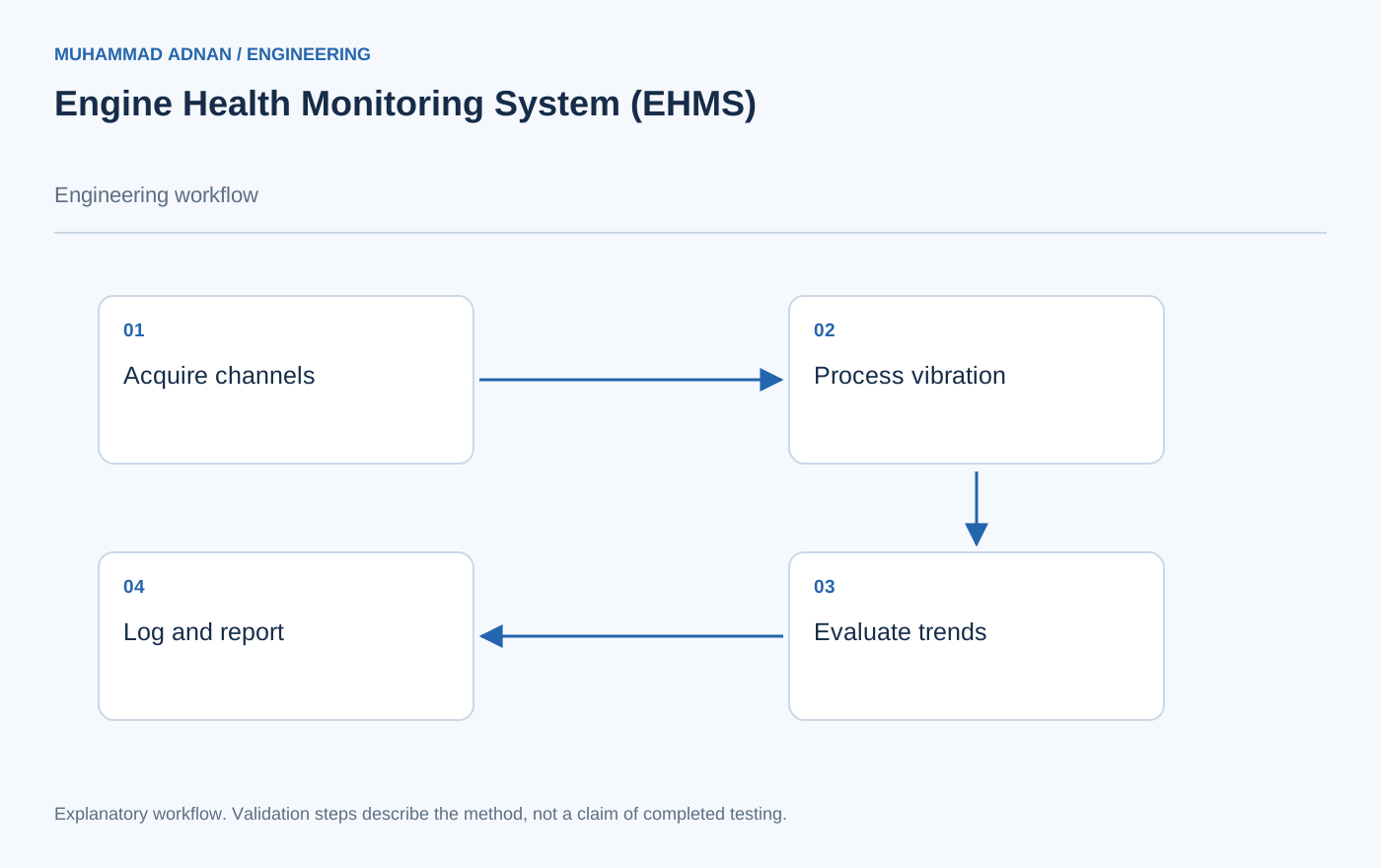
The engineering narrative follows the measurement-to-maintenance information chain. It does not establish independent predictive accuracy or maintenance savings.
The engineering challenge
Turn diverse engine measurements and high-rate vibration signals into actionable monitoring information.
Engineering approach
- Organize parameter acquisition and vibration processing as complementary paths.
- Extract spectral features and apply the stated anomaly model.
- Combine trend thresholds, data logging, and ground reporting for maintenance review.
Features & capabilities
- 48-channel simultaneous parameter monitoring at 1kHz sampling rate
- 8-point vibration signature analysis with FFT at 20kHz per channel
- TensorFlow Lite anomaly detection model on C2000 DSP (95% accuracy)
- ACARS datalink integration for real-time ground reporting
- Trend monitoring with user-programmable alert thresholds
- MIL-STD-810G vibration and shock qualified hardware
- Integration with FADEC over RS-422 and CAN Bus
- Historical data logging with 200+ hour FDR memory capacity
Software & engineering tools
Texas Instruments C2000 DSP F28379D, Xilinx FPGA, CAN Bus (ISO 11898), RS-422, ICP vibration sensors, Altium Designer (12-layer)