
Project brief
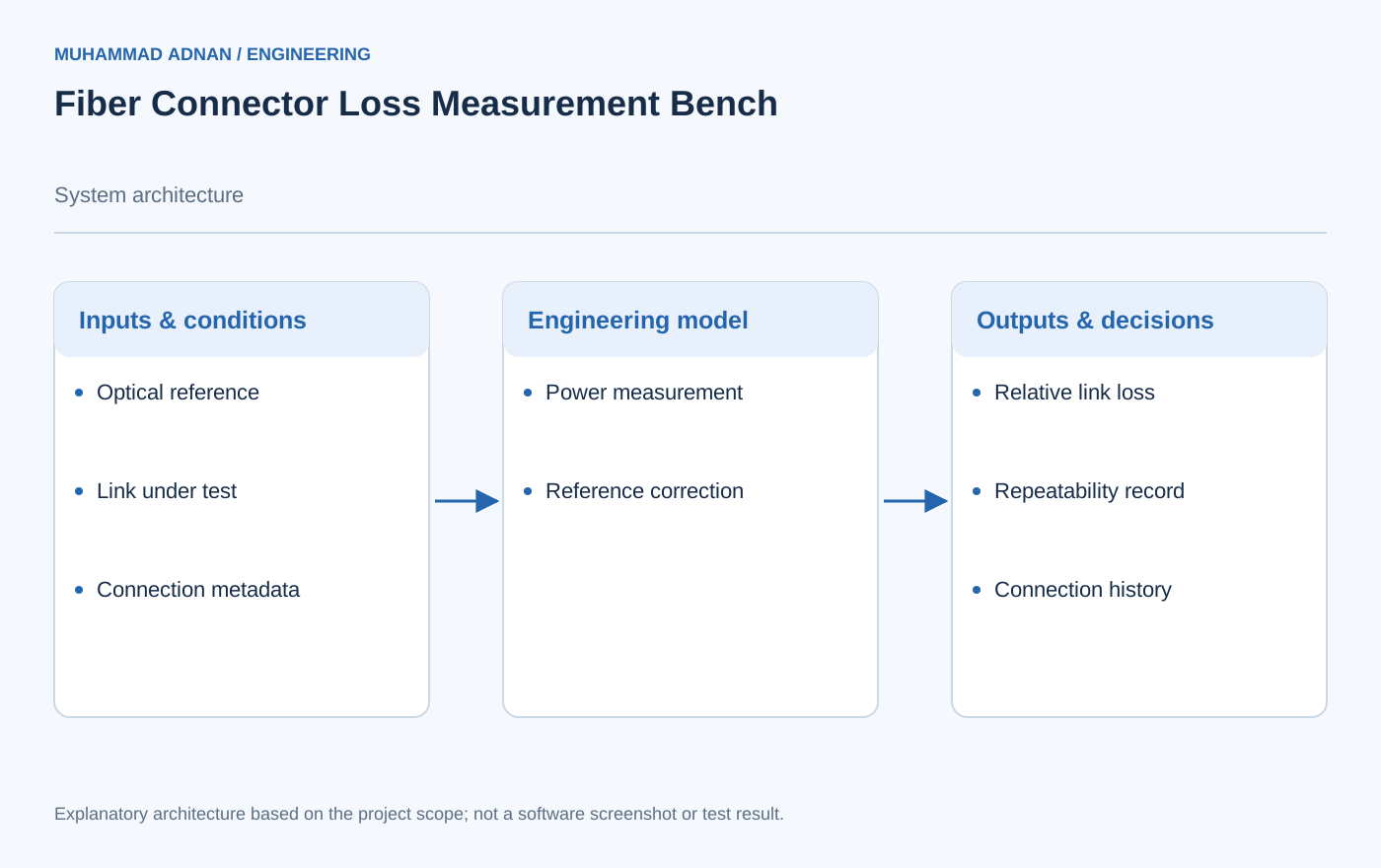
This proposed bench would organize basic insertion-loss measurements for short fiber links using an enclosed low-power optical source and a compatible power meter. The engineering focus would be the measurement sequence, connector handling, reference recording, and clear identification of the link under test. A software notebook would associate each observation with wavelength, reference state, and connector configuration, preserving repeated measurements instead of reducing them to a single unexplained value. The mechanical design would provide strain relief and labelled connection points. Proposed deliverables are a bench layout, measurement log format, and repeatability study plan. The concept does not claim calibrated loss accuracy, a certified test method, or completed communications-link performance.
Design concept developed for this portfolio. The diagrams describe the proposed system; implementation and testing are part of the validation plan.
The engineering challenge
Distinguish link loss from changes in the measurement reference, connector condition, and fiber handling.
Engineering approach
- Define a consistent reference and reconnect sequence.
- Design labelled connection points and strain relief.
- Capture reference state with every measurement.
- Plan repeated connections and controlled bend comparisons.
Validation plan
- Repeat the reference sequence to identify baseline drift.
- Reconnect the same link to assess handling sensitivity.
- Verify log entries retain wavelength and connector configuration.
Concept scope
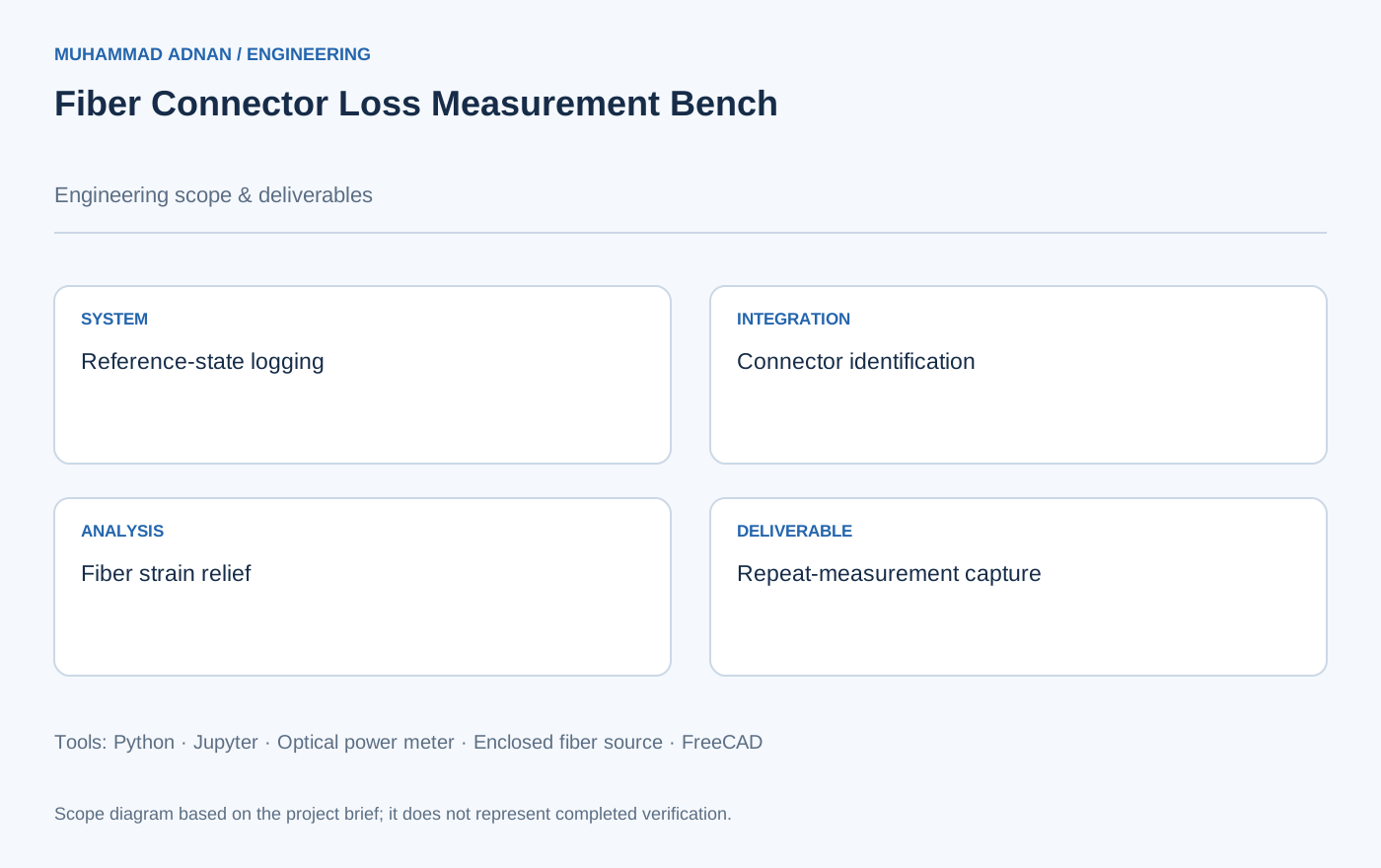
- Reference-state logging
- Connector identification
- Fiber strain relief
- Repeat-measurement capture
- Loss-comparison notebook
Software & engineering tools
Python, Jupyter, Optical power meter, Enclosed fiber source, FreeCAD