Project brief
Flight control system for a tilt-rotor VTOL (vertical takeoff and landing) unmanned aircraft, managing the complex transition between multicopter hover and fixed-wing cruise modes. The controller handles variable tilt-rotor angle control, adaptive flight envelope management during transition at 80–120km/h, and full autonomous mission execution including VTOL precision landing at a GPS coordinate.
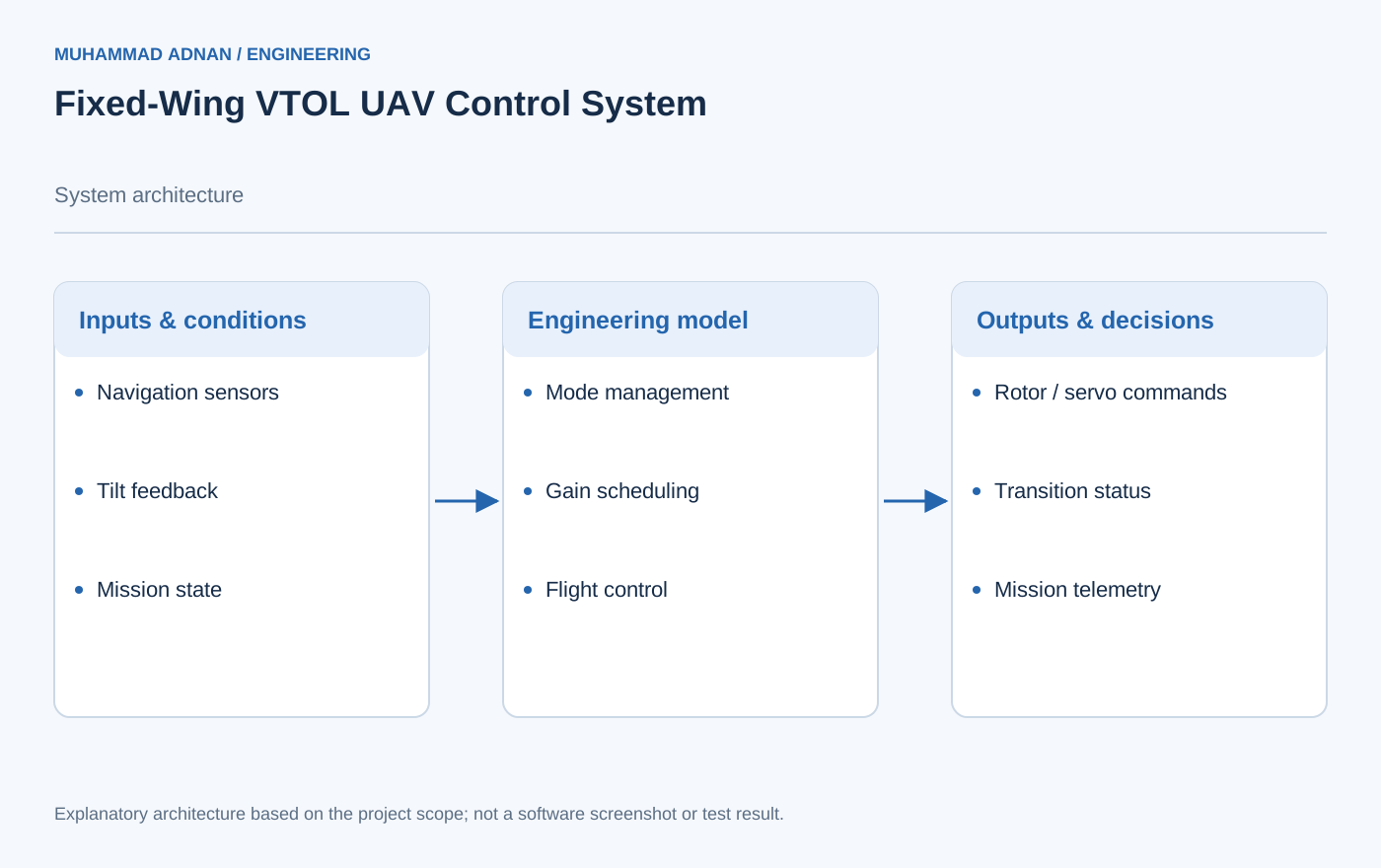
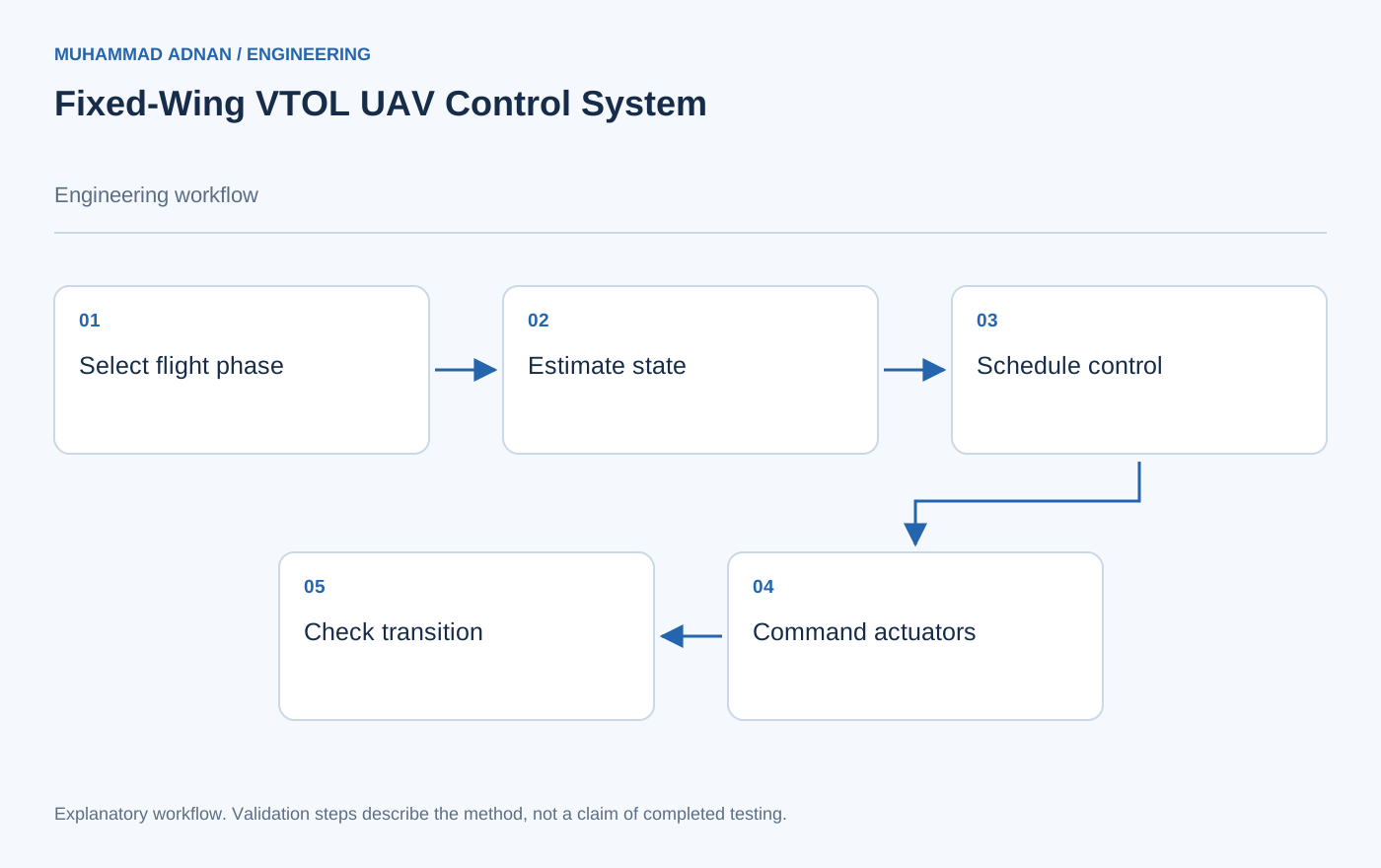
The record presents a mode-transition control project. The explanatory workflow makes that coordination readable without adding flight demonstrations or range results.
The engineering challenge
Manage changing control authority as a tilt-rotor vehicle transitions between hover and cruise.
Engineering approach
- Represent hover, transition, cruise, and landing as explicit control modes.
- Schedule references and gains with tilt angle and vehicle state.
- Integrate navigation feedback and redundancy monitoring across mode changes.
Features & capabilities
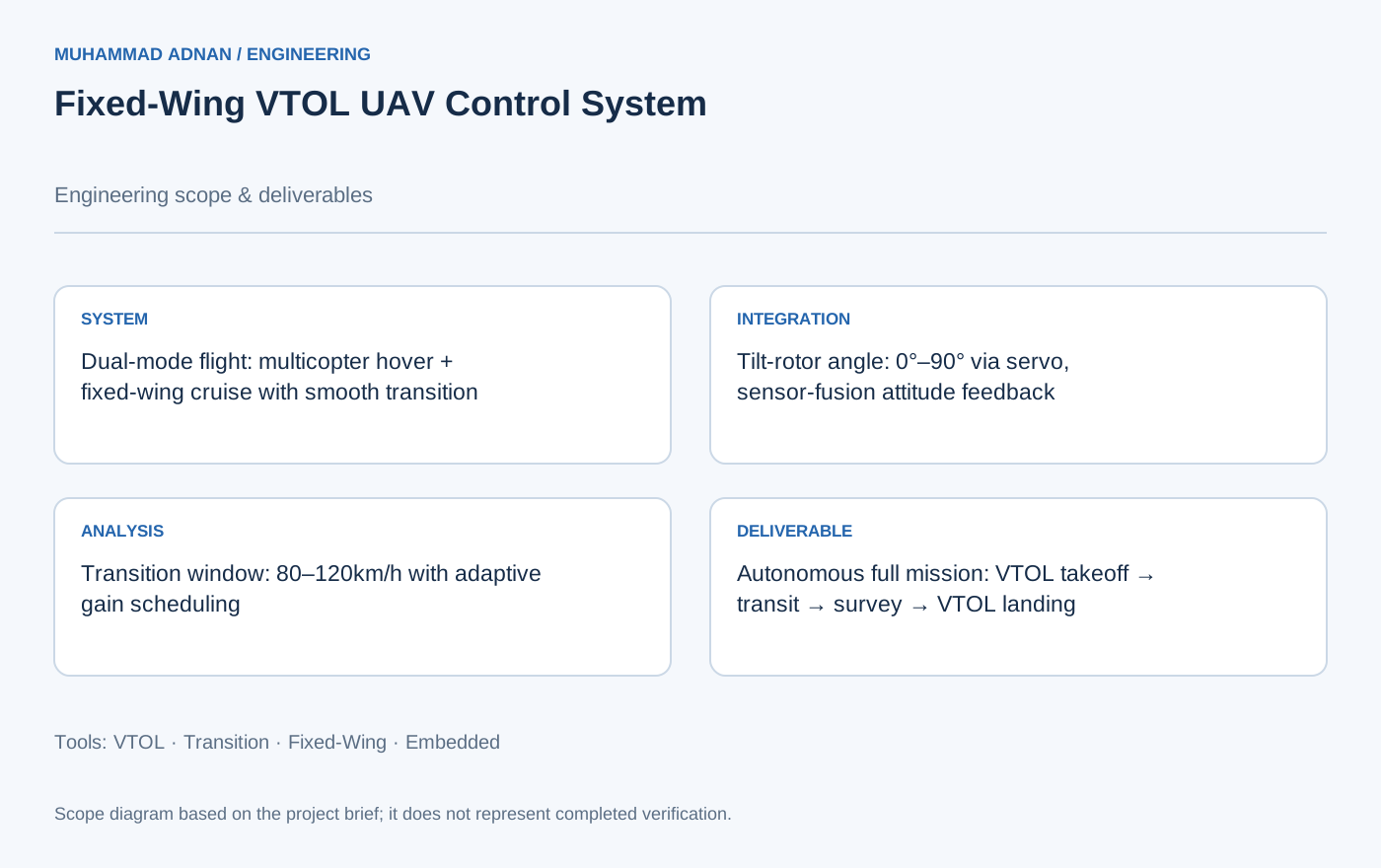
- Dual-mode flight: multicopter hover + fixed-wing cruise with smooth transition
- Tilt-rotor angle: 0°–90° via servo, sensor-fusion attitude feedback
- Transition window: 80–120km/h with adaptive gain scheduling
- Autonomous full mission: VTOL takeoff → transit → survey → VTOL landing
- Precision landing: GPS + optical flow + barometer fusion for <50cm accuracy
- Redundant autopilot with heartbeat monitoring and failsafe recovery
- Cruise efficiency: 2× range improvement vs multicopter at same payload
- Integration with SLAM for GPS-denied operation (optical flow + sonar)
Software & engineering tools
STM32H743, Pixhawk 6C compatible, custom tilt servo driver, optical flow PMW3901, Altium PCB