Project brief
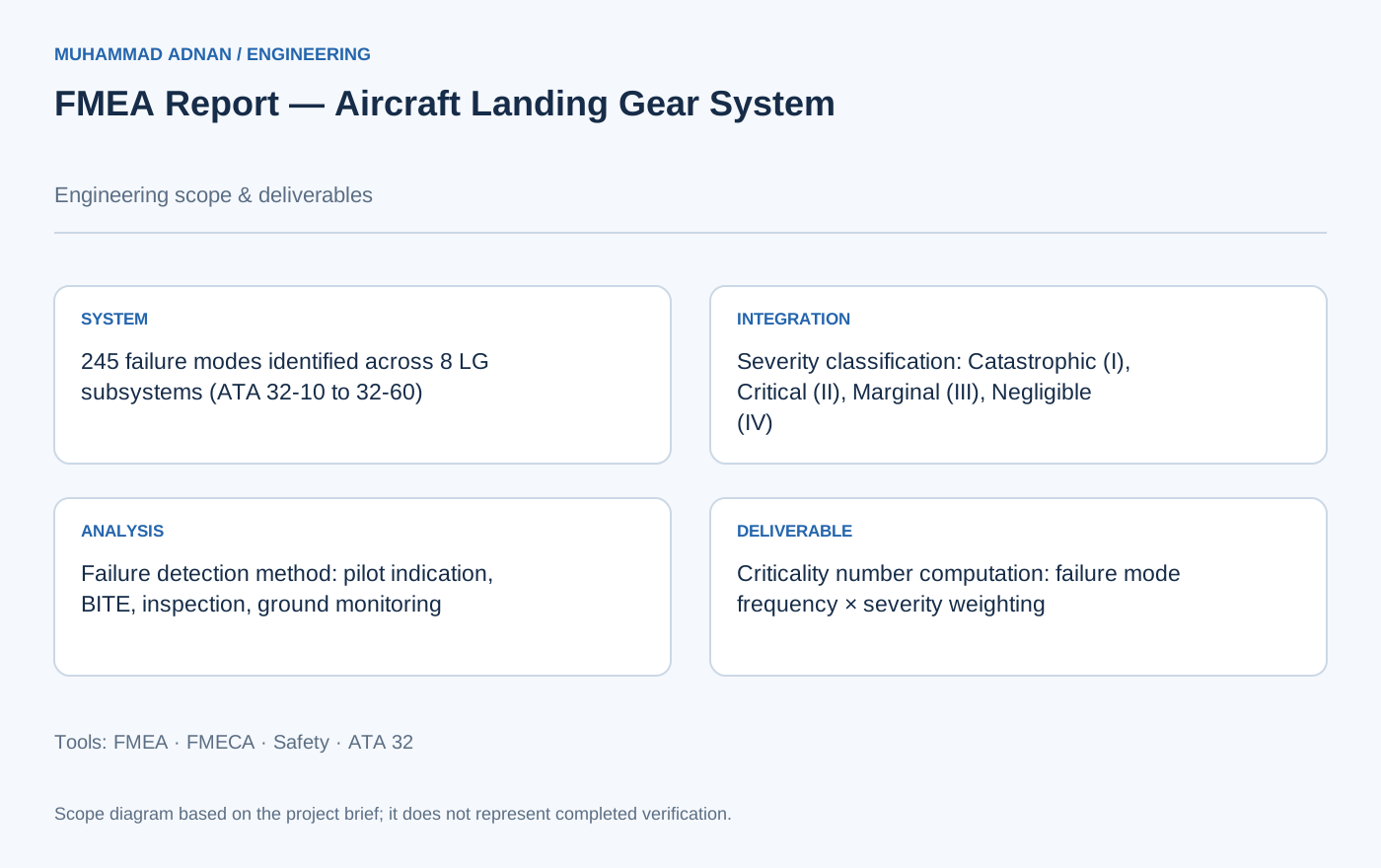
Detailed Failure Mode, Effects and Criticality Analysis for a light transport aircraft nose and main landing gear system (ATA Chapter 32) per SAE ARP4761 and MIL-HDBK-1629A. The analysis covers 8 mechanical subsystems with 245 identified failure modes, each analyzed for local effects, aircraft-level effects, severity classification (I–IV), and detection method. Criticality numbers are computed for maintenance prioritization.
The deliverable is a structured failure-analysis report. The expanded narrative does not independently confirm failure frequencies or prescribed maintenance intervals.
The engineering challenge
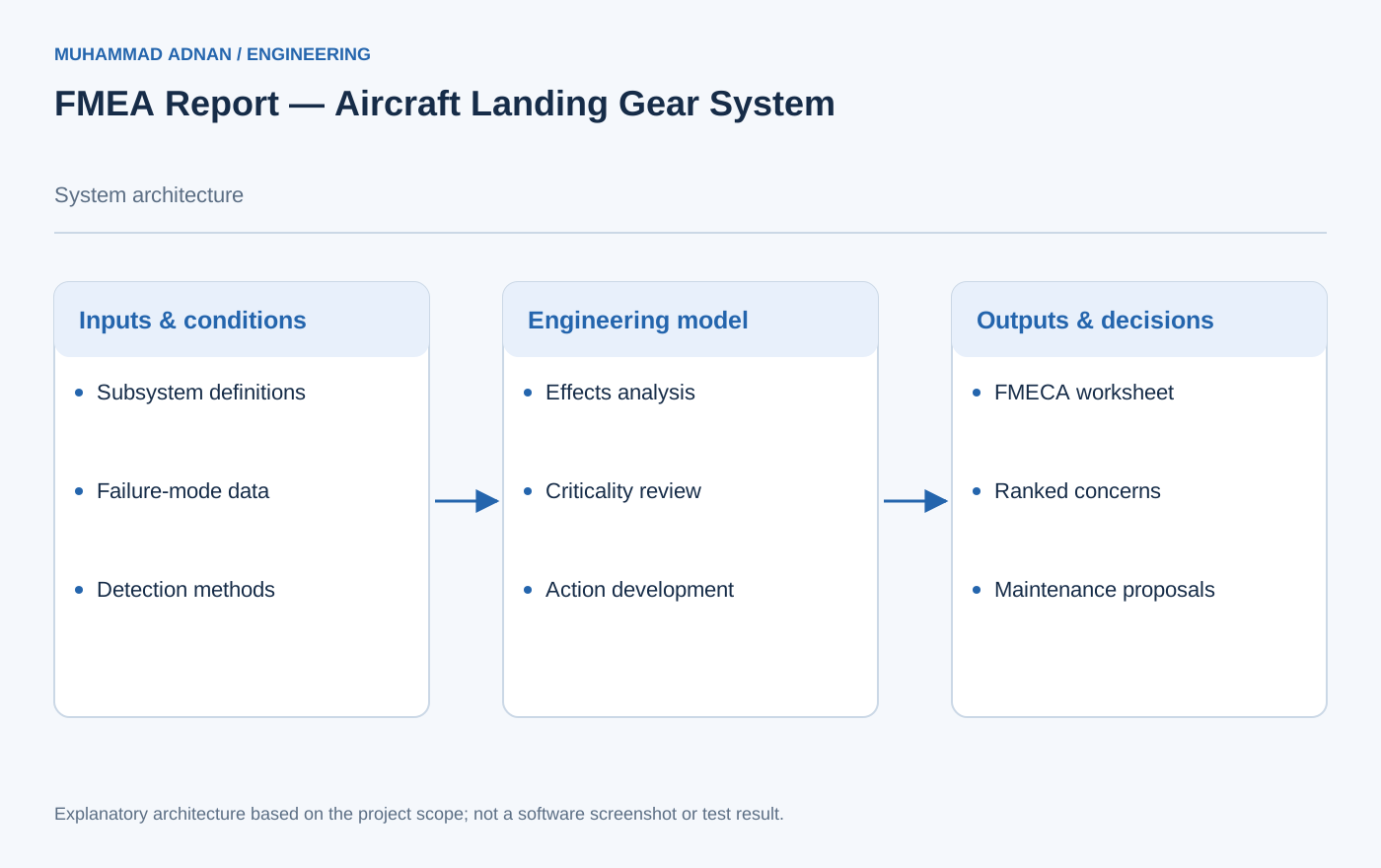
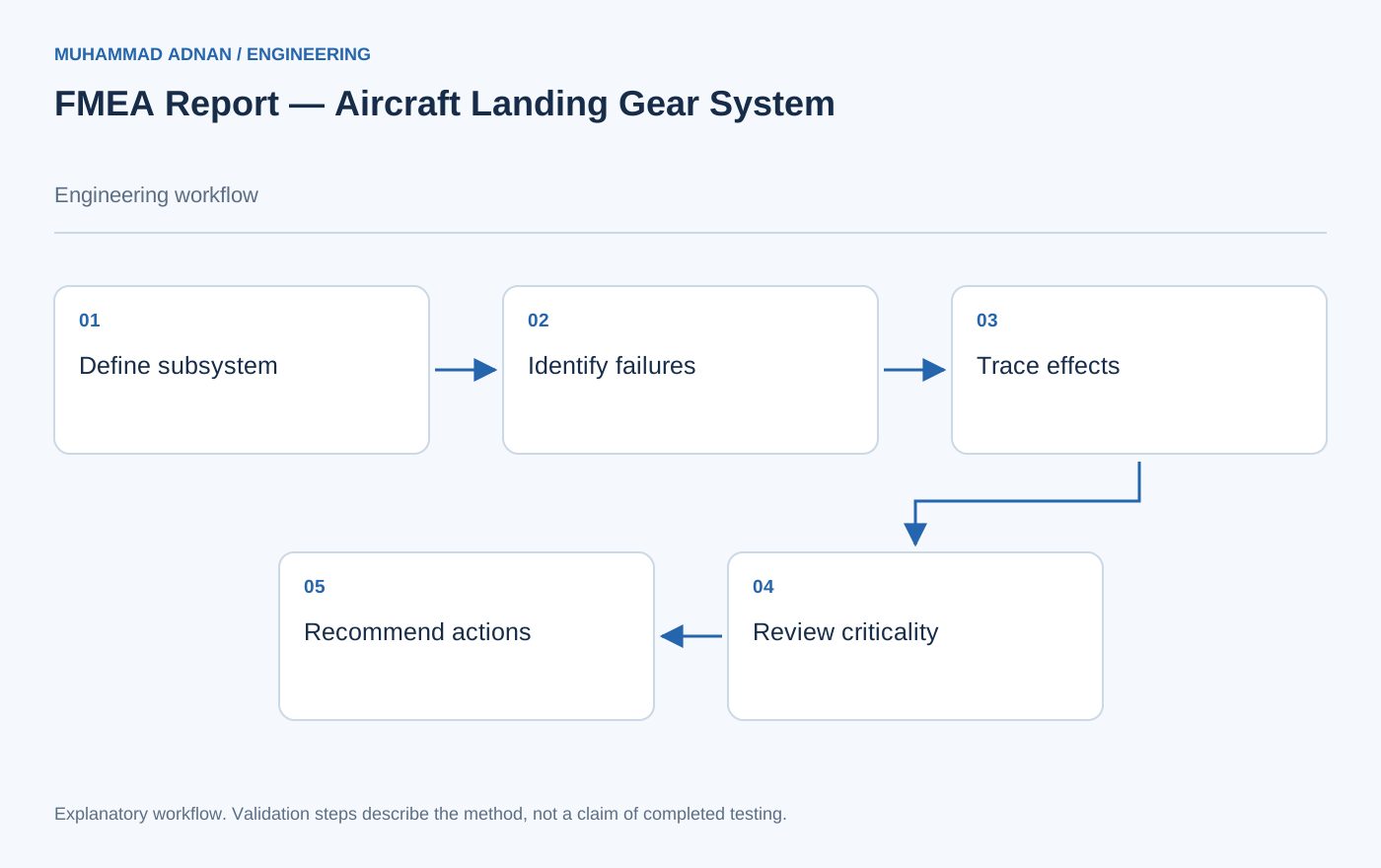
Trace component-level landing-gear failures to aircraft effects, detection opportunities, and maintenance actions.
Engineering approach
- Break the system into the stated mechanical subsystems.
- Associate failure modes with local effects, severity, and detection methods.
- Use the analysis structure to organize inspection and design recommendations.
Features & capabilities
- 245 failure modes identified across 8 LG subsystems (ATA 32-10 to 32-60)
- Severity classification: Catastrophic (I), Critical (II), Marginal (III), Negligible (IV)
- Failure detection method: pilot indication, BITE, inspection, ground monitoring
- Criticality number computation: failure mode frequency × severity weighting
- Maintenance task recommendations derived from critical failure modes
- Comparison with predecessor aircraft field failure data (ACARS source)
- Summary Criticality Matrix: failure modes ranked by combined criticality score
- Recommendations: design changes, test intervals, structural inspection program
Software & engineering tools
Microsoft Excel (FMEA worksheet), ITEM Toolkit, Python automation script, MIL-HDBK-1629A methodology