Project brief
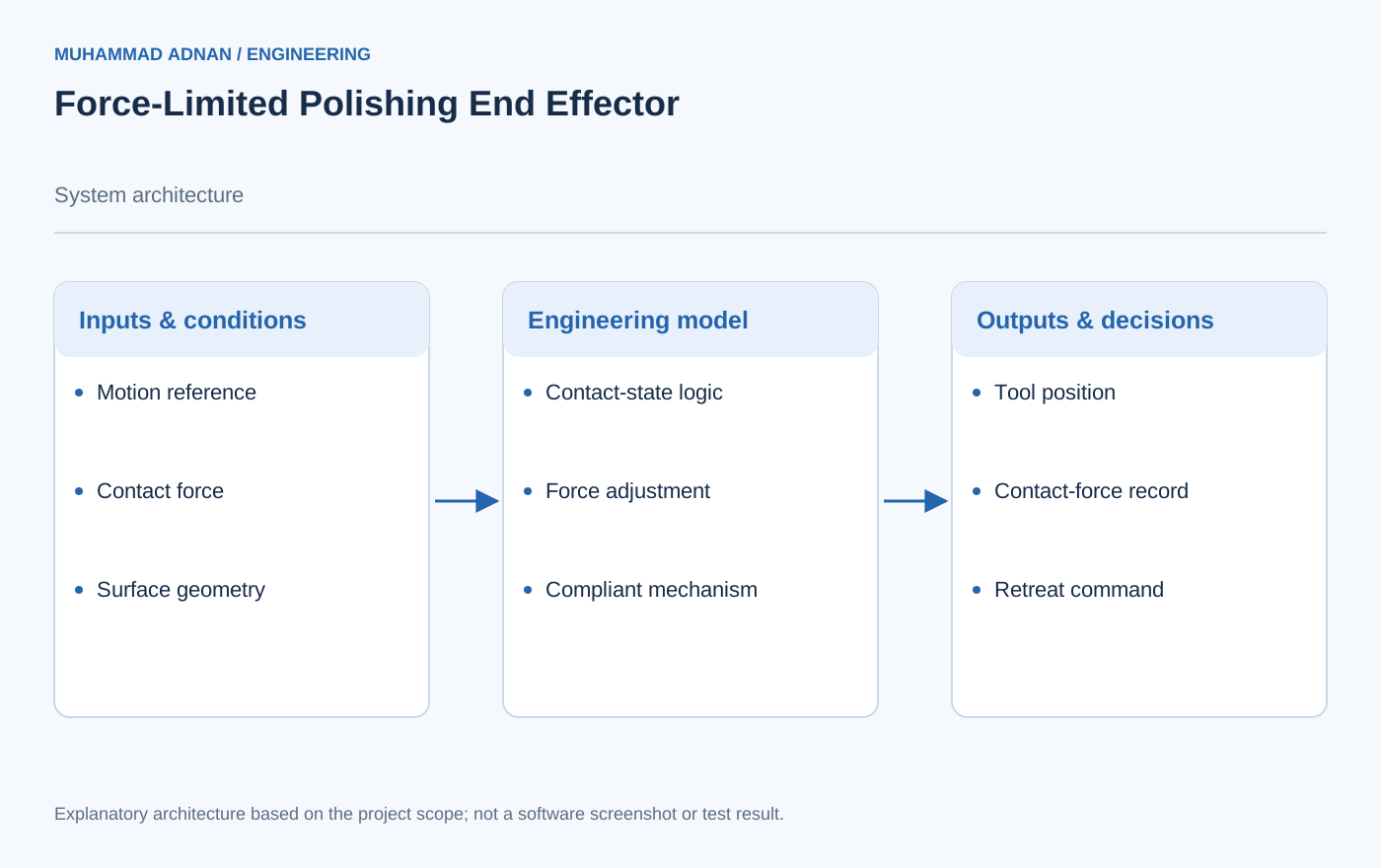
This concept would investigate a compliant polishing end effector for a laboratory robot or linear positioning rig. The initial scope would use noncritical flat sample coupons and low-energy tooling so that contact-force behavior can be studied without claiming an industrial finishing process. A passive compliance element would accommodate small surface-height changes, while force sensing would inform the commanded approach and retreat. Mechanical work would address spindle mounting, replaceable abrasives, dust containment provisions, and cable routing. The control study would separate motion commands from contact-state supervision. Proposed deliverables include the end-effector layout, a simple contact model, and a coupon-test plan. Surface finish, tool life, and production suitability would remain unmeasured until a defined experimental program is completed.
Design concept developed for this portfolio. The diagrams describe the proposed system; implementation and testing are part of the validation plan.
The engineering challenge
Maintain controlled contact through small surface variations without allowing the motion system to drive force unchecked.
Engineering approach
- Model contact compliance with simple coupon geometry.
- Design a passive travel element and force-sensor interface.
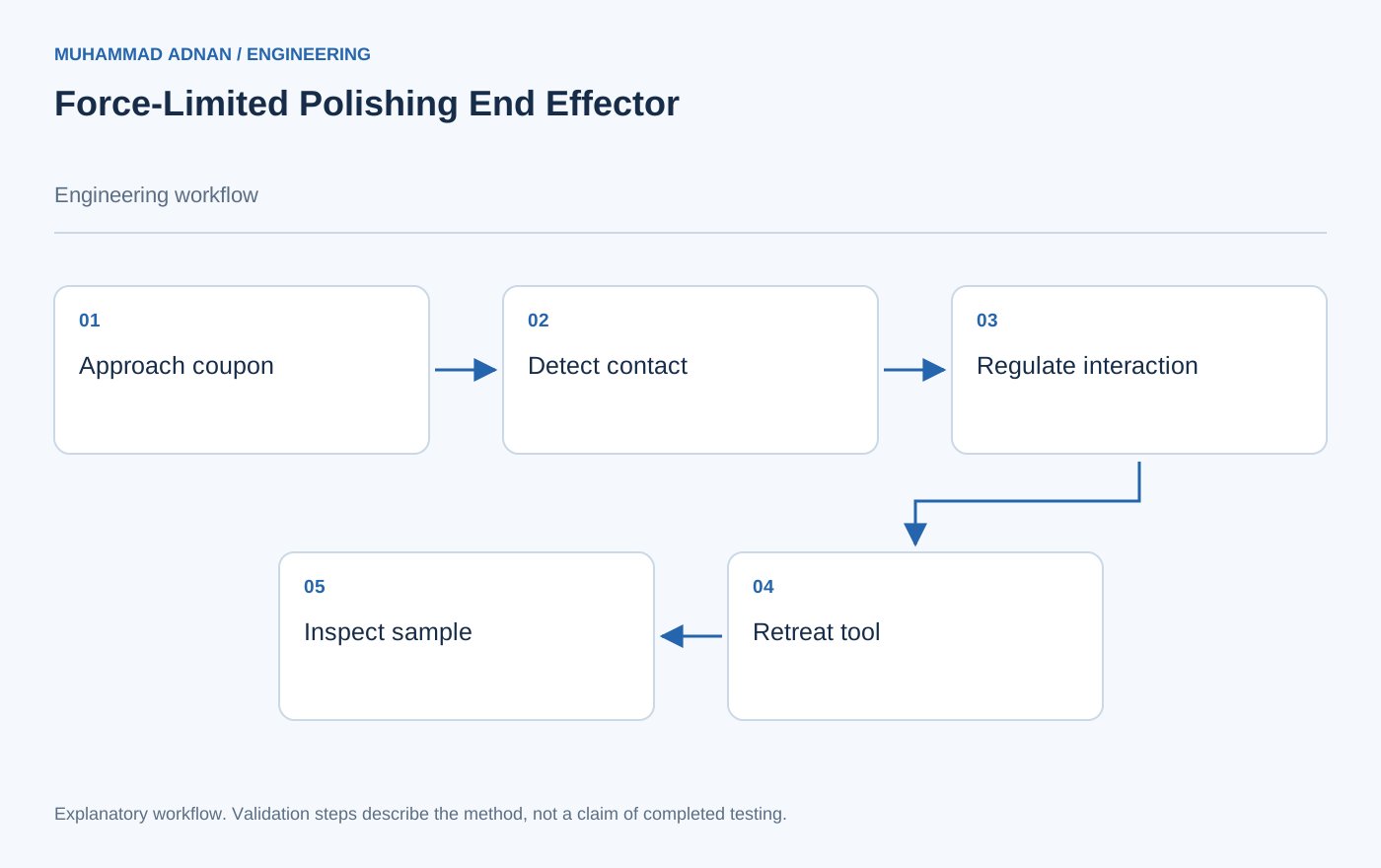
- Define approach, contact, retreat, and fault states.
- Plan low-energy stationary and slow-motion trials.
Validation plan
- Measure static compliance before powering the tool.
- Check retreat behavior with simulated excess-force input.
- Compare contact-force variation on simple coupons.
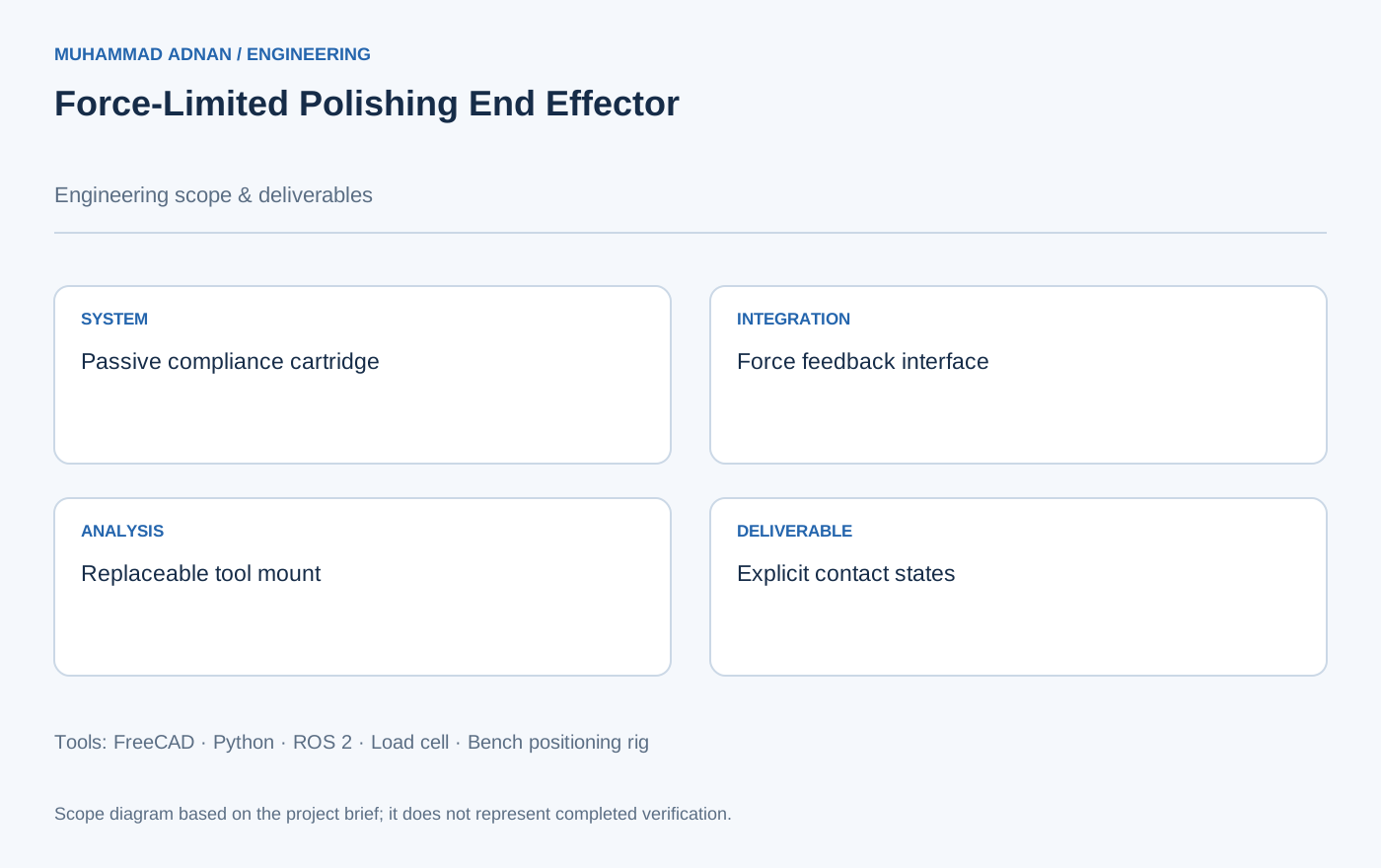
Concept scope
- Passive compliance cartridge
- Force feedback interface
- Replaceable tool mount
- Explicit contact states
- Coupon-based evaluation
Software & engineering tools
FreeCAD, Python, ROS 2, Load cell, Bench positioning rig