
Project brief
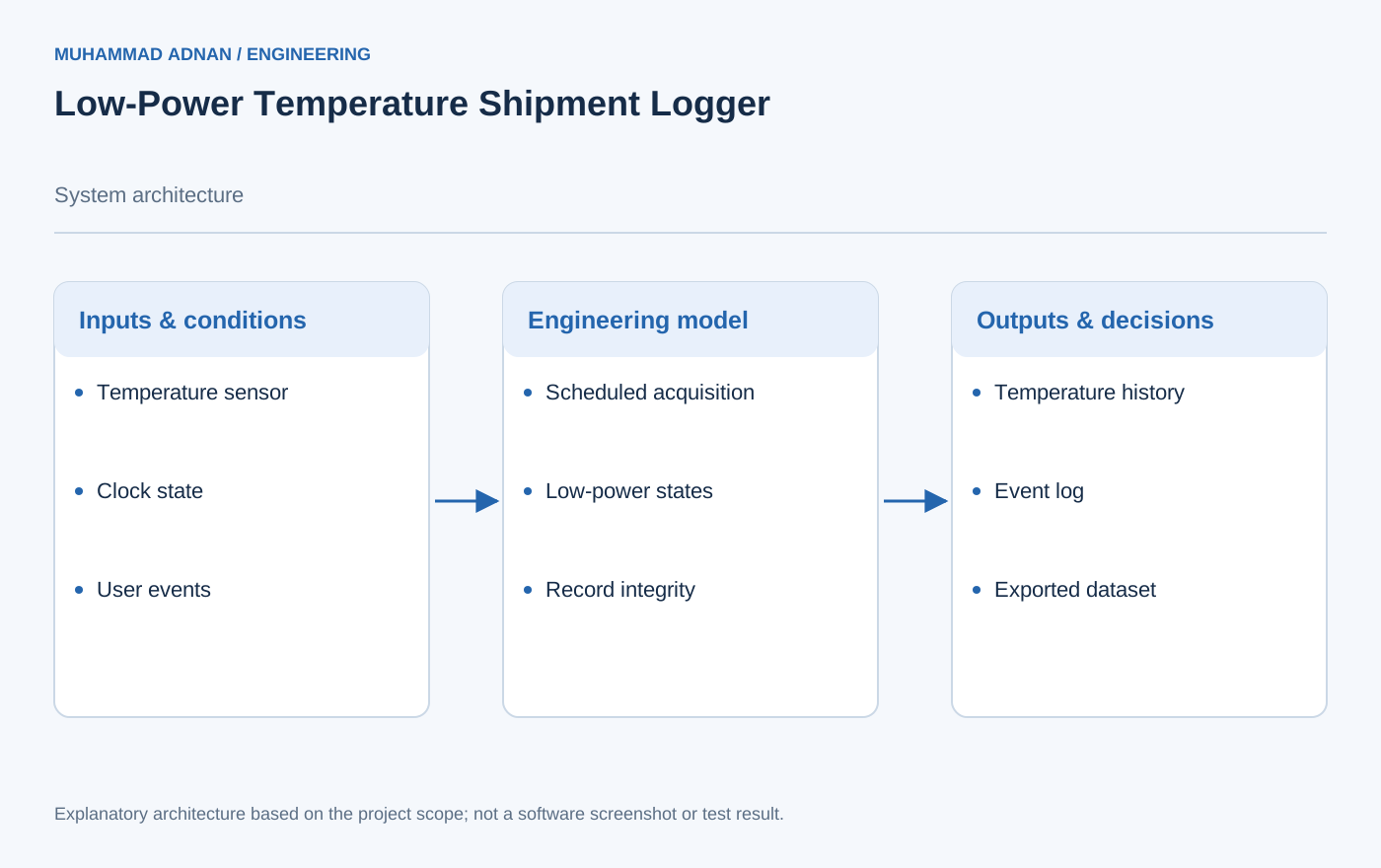
This proposed logger would record temperature during a generic shipment trial using a low-power microcontroller, removable or rechargeable power source, and local storage. The design would separate sensor acquisition, timestamp maintenance, event marking, and data export so missing readings or clock resets remain visible. An enclosure study would consider thermal lag, sensor exposure, packing contact, and access to the start control. A bench characterization plan would compare the logger with a reference sensor through controlled temperature changes. Proposed deliverables include the electronic architecture, power-budget assumptions, enclosure sections, and a data format. The concept would not claim suitability for pharmaceuticals, food compliance, calibrated measurement accuracy, or a demonstrated battery life.
Design concept developed for this portfolio. The diagrams describe the proposed system; implementation and testing are part of the validation plan.
The engineering challenge
Record a useful thermal history while preserving timestamp integrity, low-power behavior, and sensor context.
Engineering approach
- Define sampling and timekeeping requirements.
- Model power use by device state.
- Compare exposed and protected sensor packaging.
- Plan reference-sensor and interrupted-power tests.
Validation plan
- Compare temperature response against a suitable reference sensor.
- Interrupt power to inspect clock and record recovery.
- Measure current in each operating state before estimating lifetime.
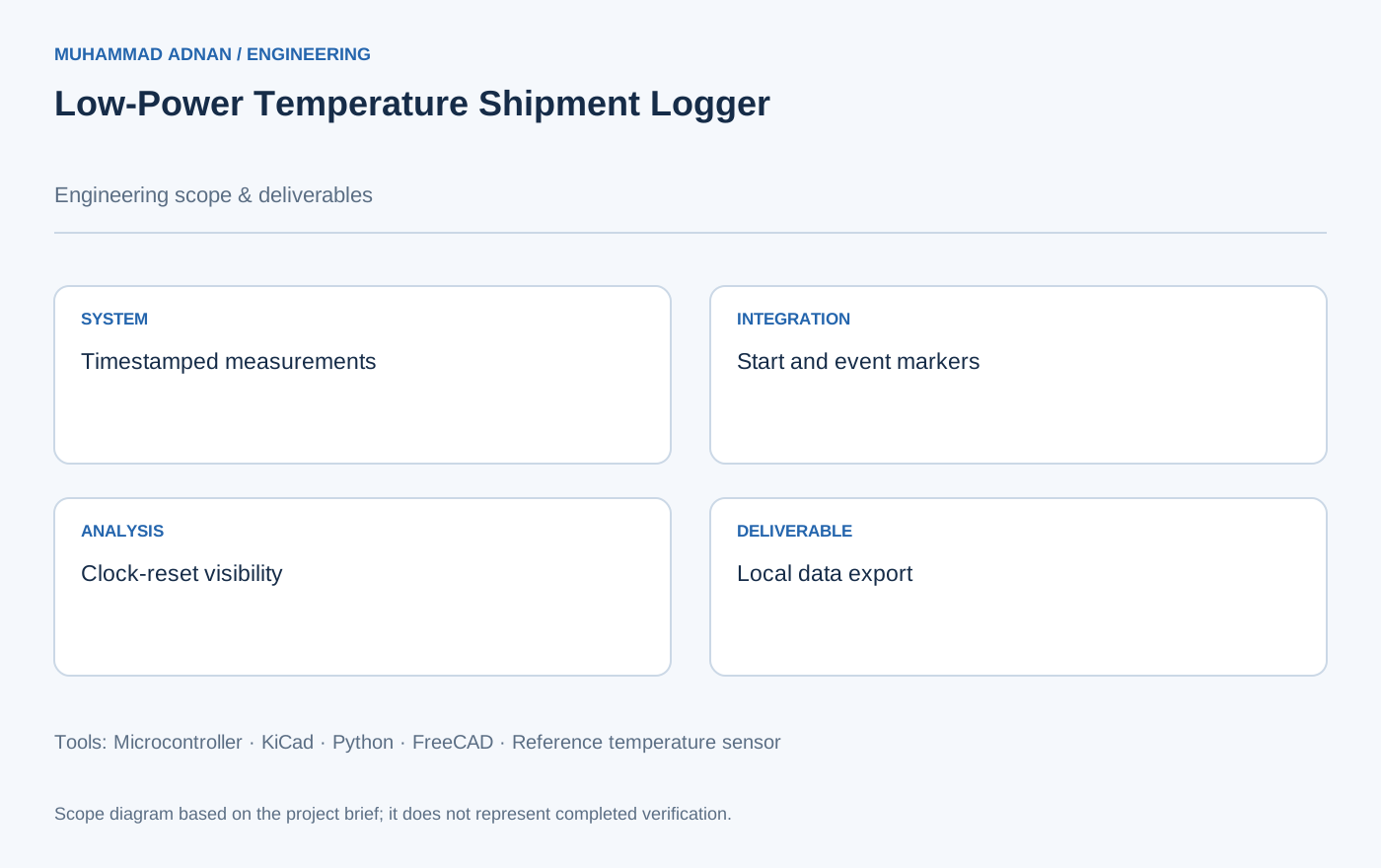
Concept scope
- Timestamped measurements
- Start and event markers
- Clock-reset visibility
- Local data export
- Power-state budget
Software & engineering tools
Microcontroller, KiCad, Python, FreeCAD, Reference temperature sensor