
Project brief
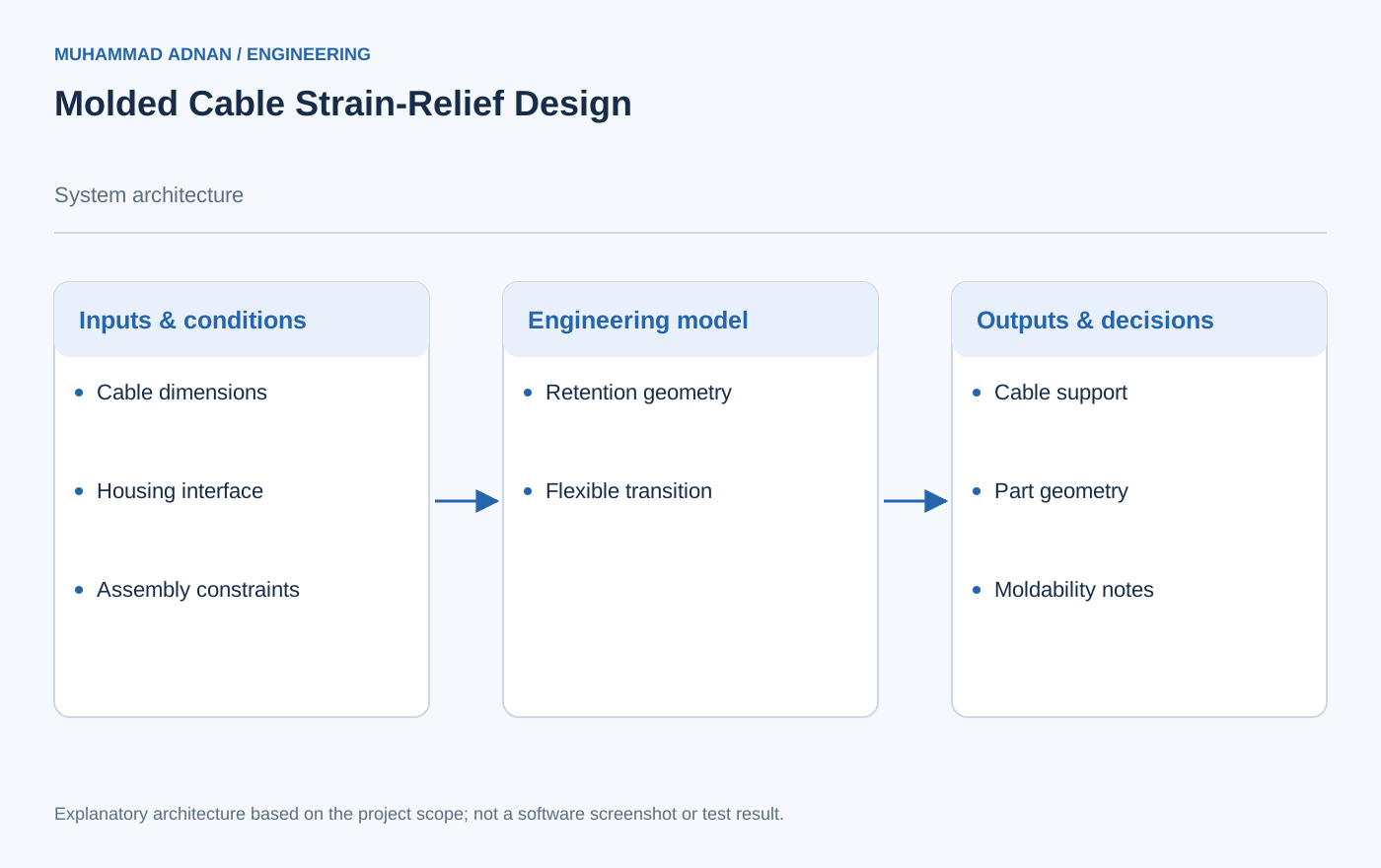
This concept would study a molded strain-relief component for a low-voltage cable entering a small instrument enclosure. The component would transition between the rigid housing and flexible cable while providing a practical assembly method. CAD variants would compare split and one-piece geometries, wall thickness, draft, and retention features. Material selection would be framed around candidate behavior and manufacturing assumptions, with prototype materials clearly distinguished from eventual molded materials. The proposed deliverables include a parameterized part, an assembly section, a moldability review, and a flex-and-pull evaluation plan. The study would make stress concentration and cable-jacket compatibility visible without claiming a rated retention force, cycle life, or production-qualified tooling design.
Design concept developed for this portfolio. The diagrams describe the proposed system; implementation and testing are part of the validation plan.
The engineering challenge
Retain a cable while avoiding an abrupt bend concentration and keeping the proposed part moldable.
Engineering approach
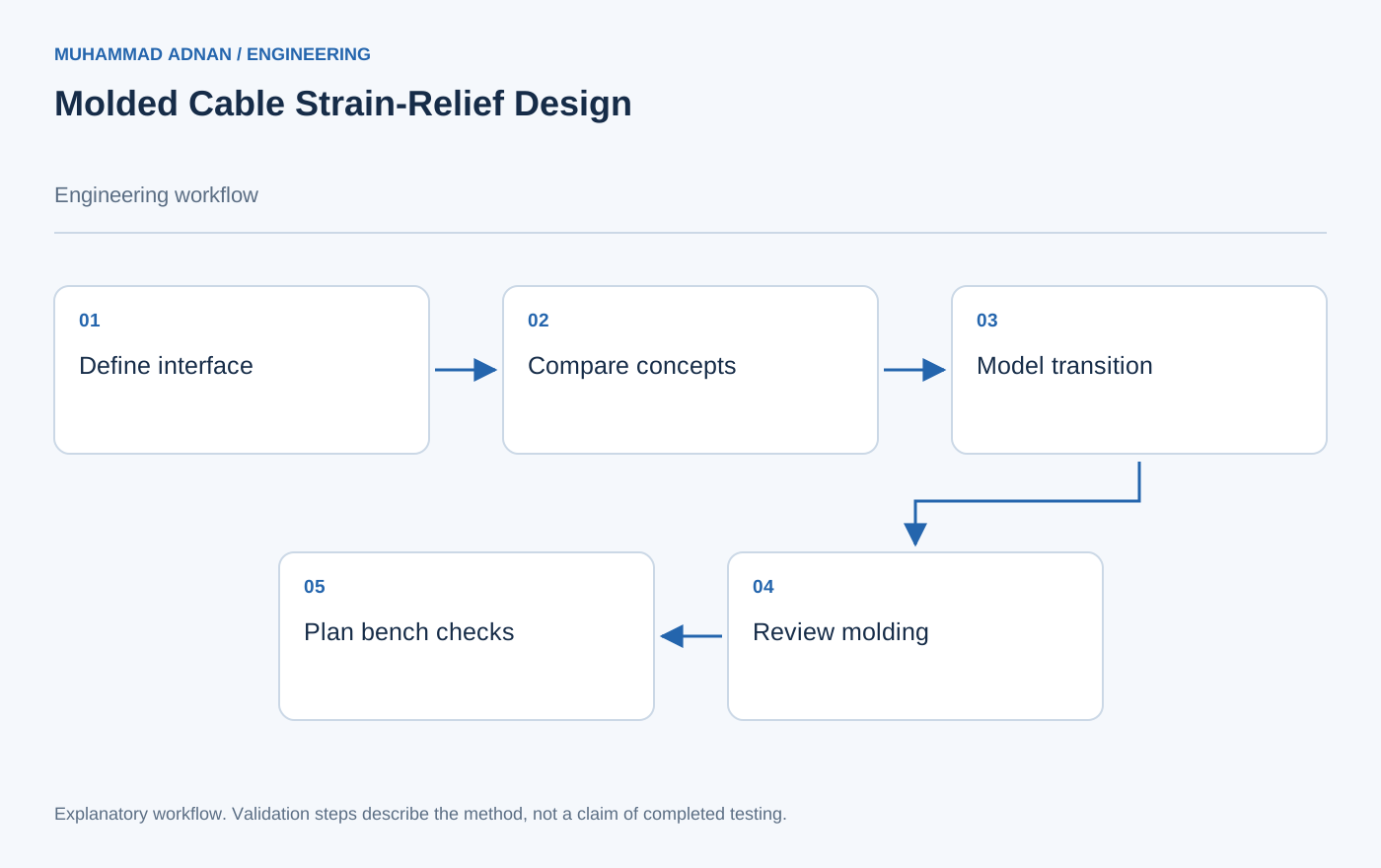
- Define cable diameters and enclosure interfaces.
- Compare retention and bend-transition geometries.
- Review draft, wall thickness, and assembly sequence.
- Plan representative flexing and controlled pull evaluations.
Validation plan
- Check fit with representative cable jackets.
- Measure deformation during a controlled pull test.
- Inspect cable and relief after repeated bending around defined fixtures.
Concept scope
- Parameterized cable bore
- Progressive bend transition
- Housing retention detail
- Assembly section views
- Draft and wall review
Software & engineering tools
FreeCAD, Polymer material datasheets, CalculiX, Force gauge