Project brief
IEEE Sensors Journal research paper titled "Temperature-Compensated MEMS IMU Calibration and Error Modeling for Avionics-Grade Inertial Navigation." The paper presents a systematic temperature compensation methodology for MEMS accelerometers and gyroscopes, a 21-parameter error model with thermal hysteresis characterization, and validation results on a turboprop aircraft test flight comparing MEMS navigation accuracy against a reference tactical-grade unit.
The source describes a research-paper project and its methodology. This explanation does not independently verify publication status or reproduce experimental results.
The engineering challenge
Separate temperature-driven sensor errors from navigation behavior and communicate the evaluation method clearly.
Engineering approach
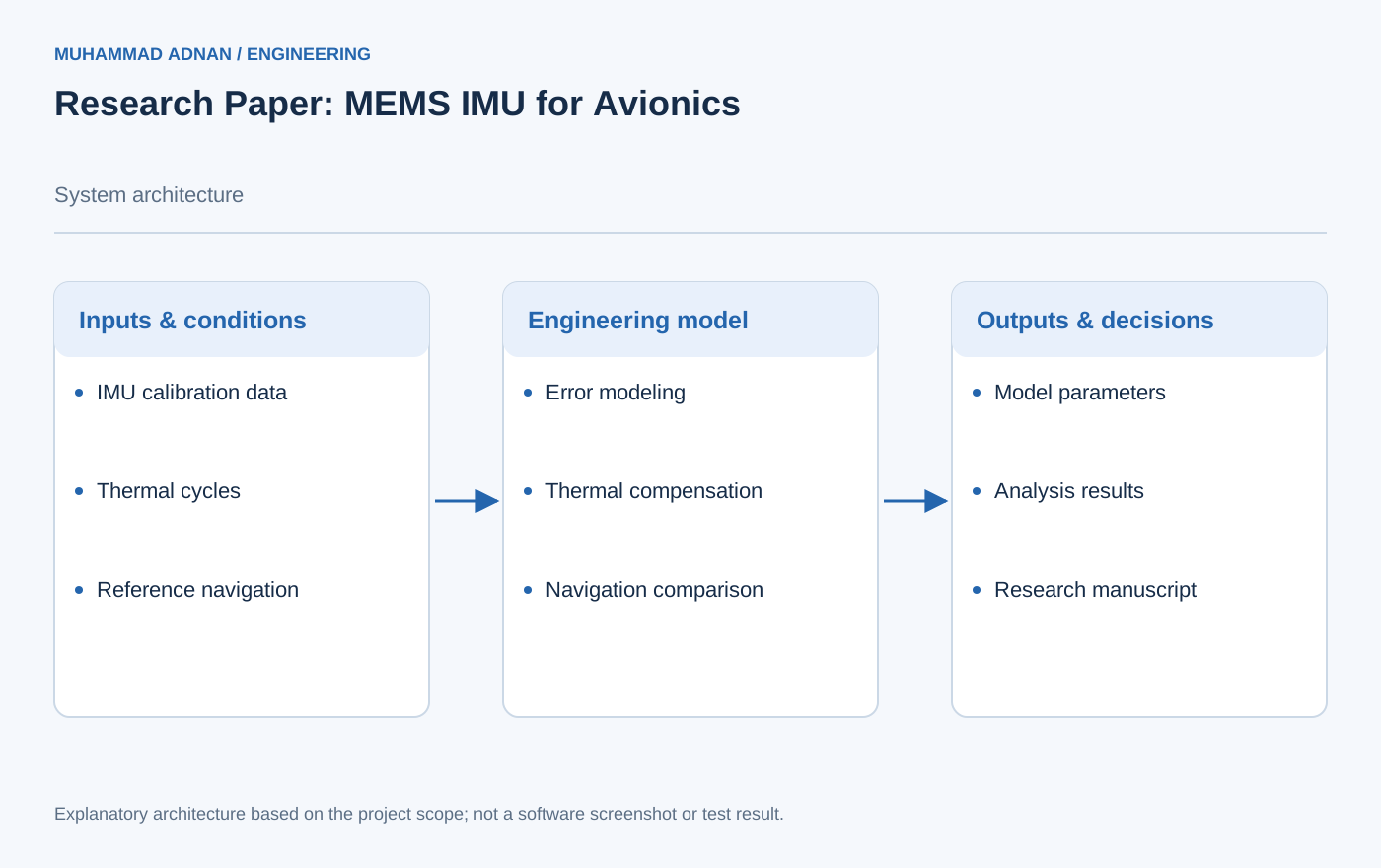
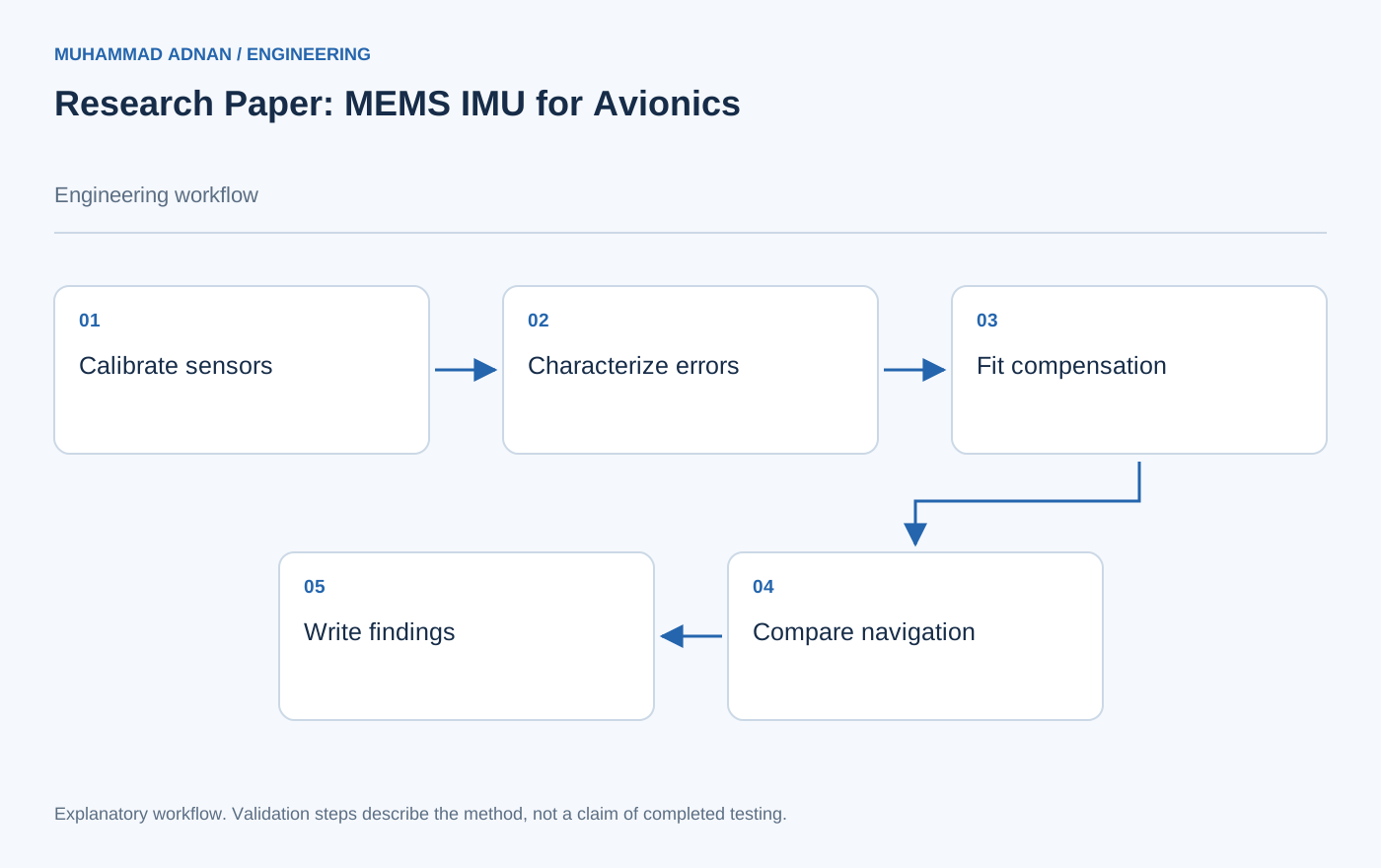
- Organize calibration observations around the stated IMU error model.
- Compare heating and cooling behavior within compensation analysis.
- Connect compensated sensor outputs to reference-navigation comparisons and the paper structure.
Features & capabilities
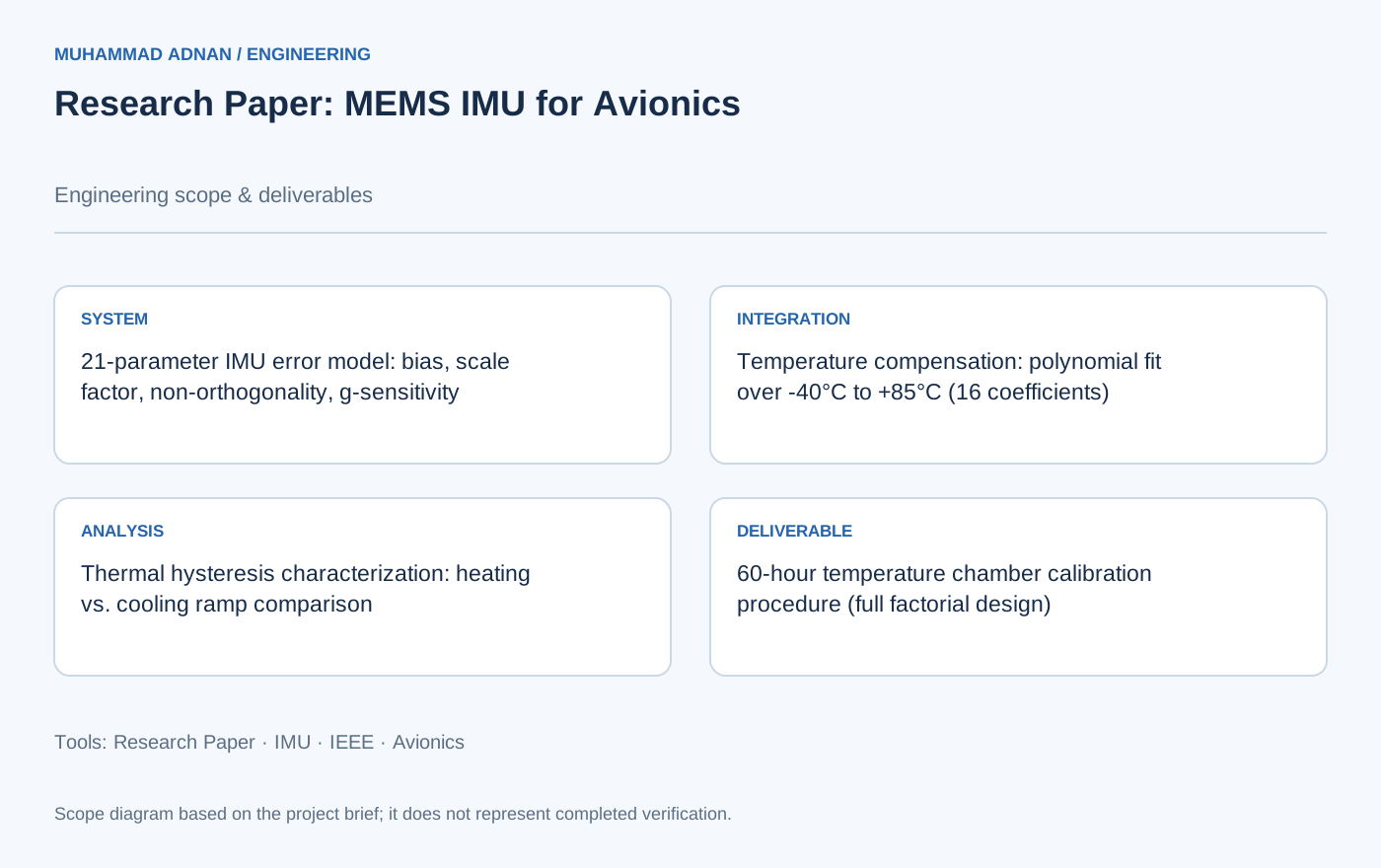
- 21-parameter IMU error model: bias, scale factor, non-orthogonality, g-sensitivity
- Temperature compensation: polynomial fit over -40°C to +85°C (16 coefficients)
- Thermal hysteresis characterization: heating vs. cooling ramp comparison
- 60-hour temperature chamber calibration procedure (full factorial design)
- Flight test validation: 3 × 2-hour sorties on Beechcraft 1900 turboprop
- Position error: 120m CEP after 60s GPS outage (vs 45m reference TGU)
- IEEE Sensors Journal format: abstract, introduction, methodology, results, conclusion
- MATLAB simulation code provided as supplementary material
Software & engineering tools
MATLAB R2024a, Thermal calibration chamber, ADIS16497 IMU, u-blox ZED-F9P reference GPS, LaTeX / Overleaf