
Project brief
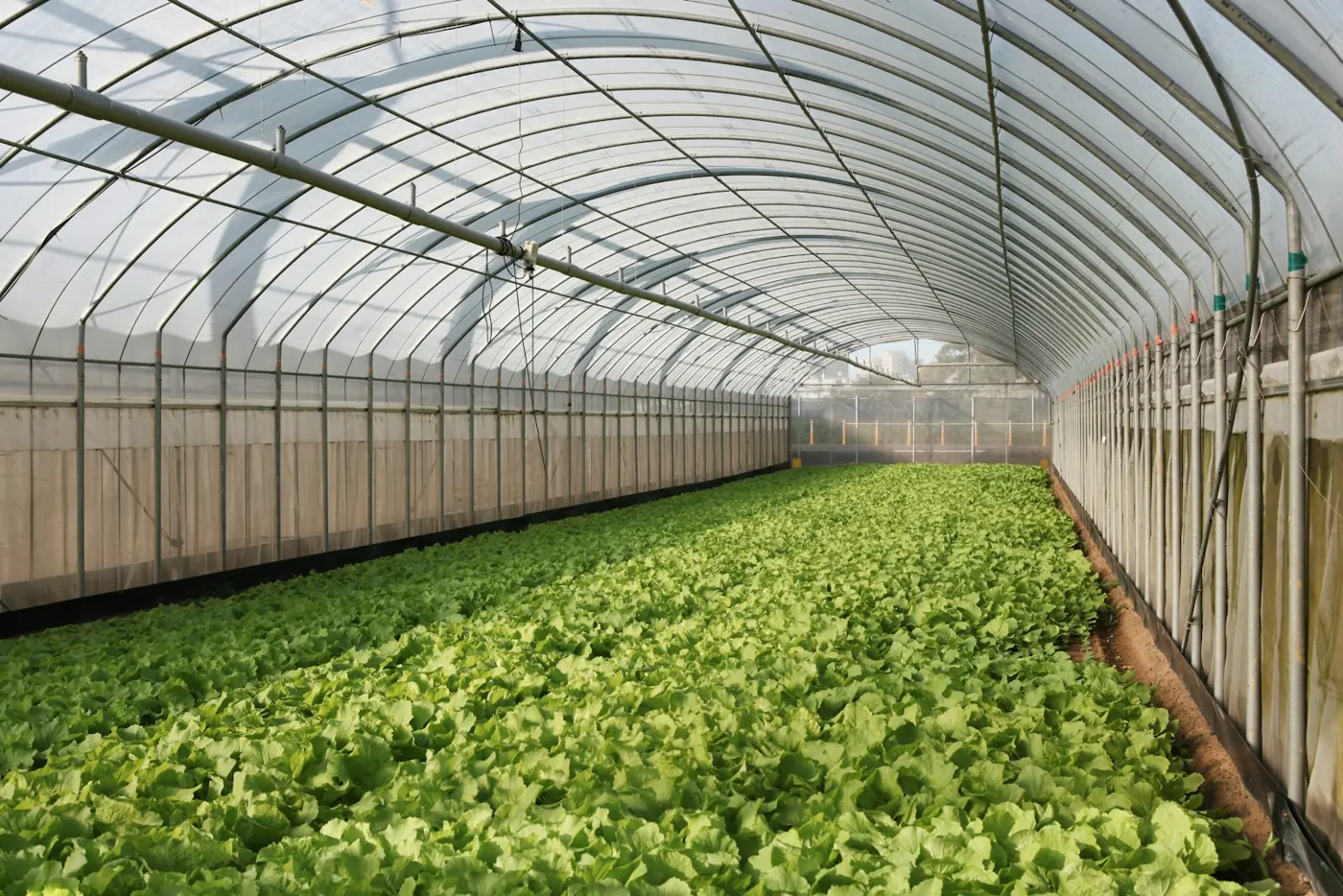
A precision agriculture IoT platform deployed across a 50-acre farm, monitoring soil moisture, soil temperature, electrical conductivity, leaf wetness, canopy microclimate, and weather station data across 30 distributed sensor nodes. An AI scheduling engine on the cloud backend automatically controls 8 irrigation zones based on real-time soil conditions and weather forecasts.
The project combines field instrumentation, wireless networking, and irrigation automation. No additional crop, water-saving, or scheduling-performance results are inferred.
The engineering challenge
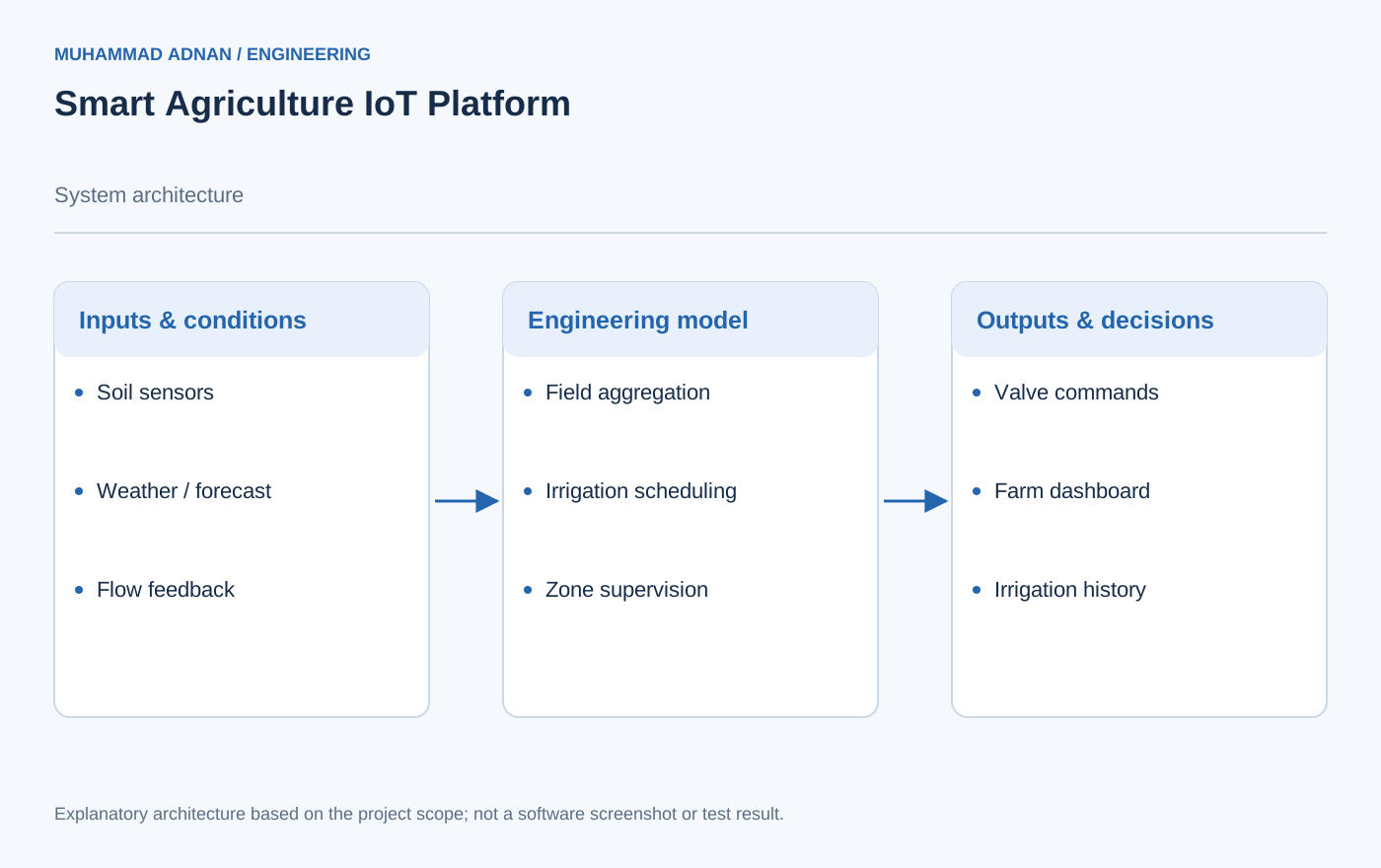
Translate spatially varied soil and weather information into understandable irrigation decisions.
Engineering approach
- Group field sensors and weather observations at the gateway.
- Combine soil state, forecast context, and irrigation scheduling logic.
- Connect zone actuation and measured flow to the application history.
Features & capabilities
- 30 sensor nodes: soil moisture, temp, EC, pH, leaf wetness, light
- 8-zone automated drip irrigation control with flow rate measurement
- Weather station: rain gauge, wind speed/direction, solar irradiance
- AI irrigation scheduler: ET0-based model with ML correction (GPT-based)
- LoRa mesh for node-to-gateway relay in hilly terrain
- Mobile app for farmer with crop health alerts and irrigation history
- Integration with weather forecast API (3-day lookahead) for predictive control
- Solar-powered nodes: 10,000mAh LiPo + 10W solar panel per cluster
Software & engineering tools
ESP32, Decagon 5TM soil sensors, LoRa SX1276, Python AI backend, AWS IoT Greengrass, React Native app