Project brief
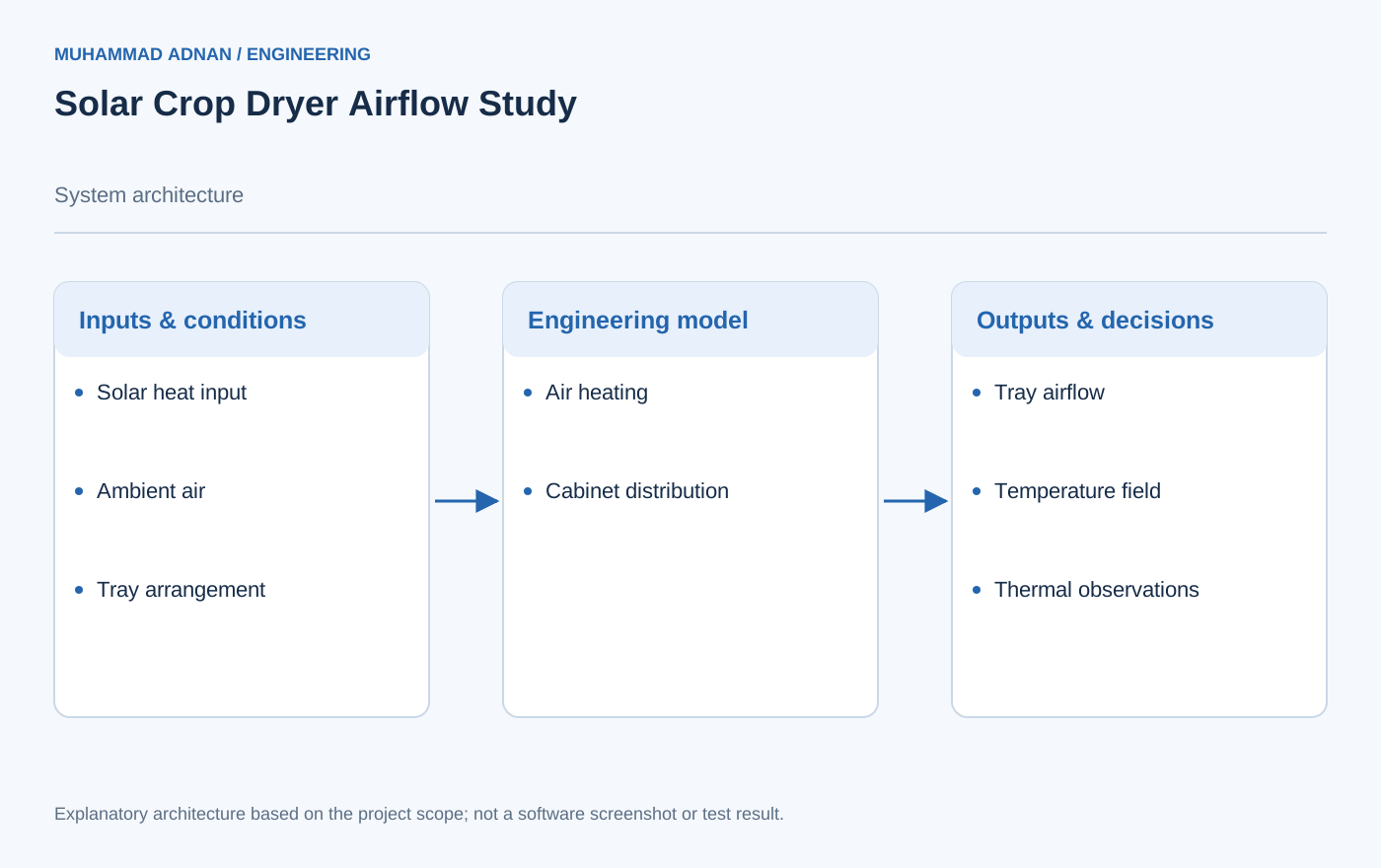
This concept would investigate a solar-assisted drying cabinet for an educational agricultural engineering study. The work would focus on heat collection and airflow distribution through empty or inertly loaded trays before any food-processing trials are considered. A collector and cabinet model would expose assumptions about solar input, ambient conditions, tray blockage, and moisture generation. CAD variants would compare duct entry, exhaust placement, and access for cleaning or tray removal. The proposed deliverables are an airflow trade study, a sensor placement plan, and a controlled thermal prototype procedure. Drying time and product quality would require a separate experimental program; the concept does not claim food safety, preservation performance, or measured energy savings.
Design concept developed for this portfolio. The diagrams describe the proposed system; implementation and testing are part of the validation plan.
The engineering challenge
Distribute solar-heated air across trays while limiting stagnant regions and preserving practical access.
Engineering approach
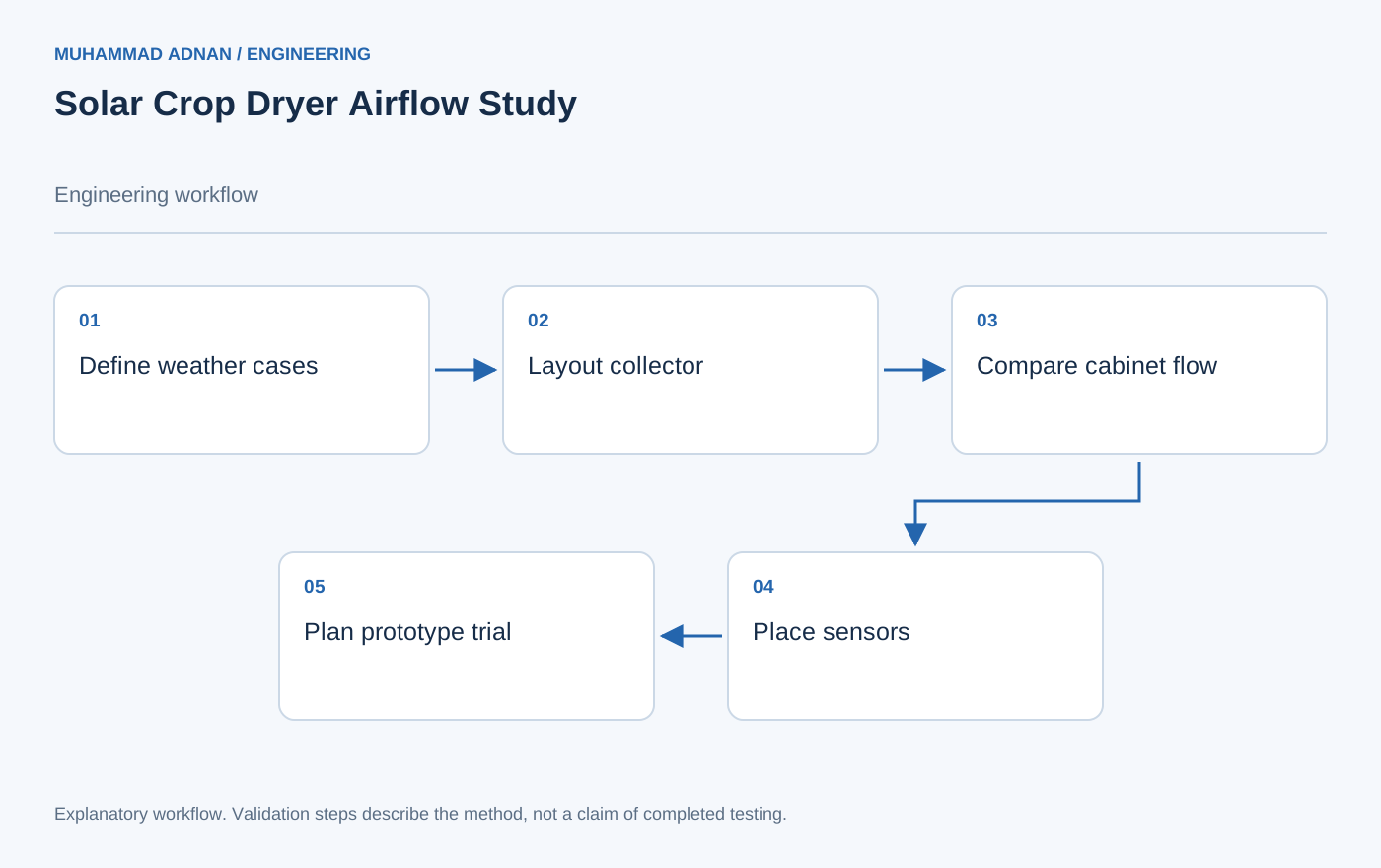
- Define collector and cabinet boundary assumptions.
- Compare tray spacing and inlet distribution features.
- Evaluate temperature and flow sensitivity to loading.
- Plan an initial empty-cabinet thermal experiment.
Validation plan
- Measure temperatures and air movement before adding real produce.
- Compare empty and inert-load flow distributions.
- Track ambient variation separately from geometry effects.
Concept scope
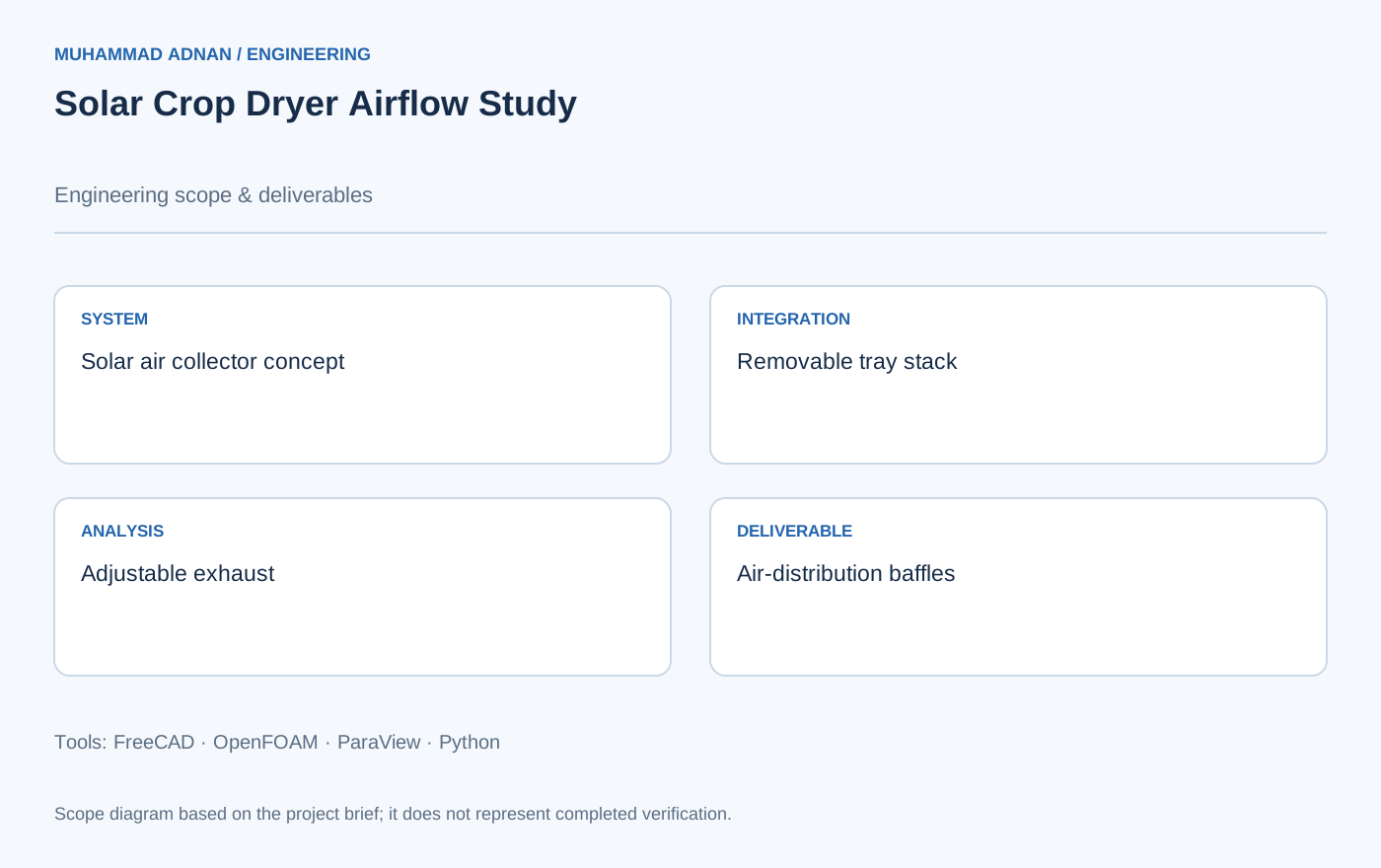
- Solar air collector concept
- Removable tray stack
- Adjustable exhaust
- Air-distribution baffles
- Sensor placement plan
Software & engineering tools
FreeCAD, OpenFOAM, ParaView, Python